2026 Subaru Forester vs Mazda CX-50: An Owner-Focused Comparison
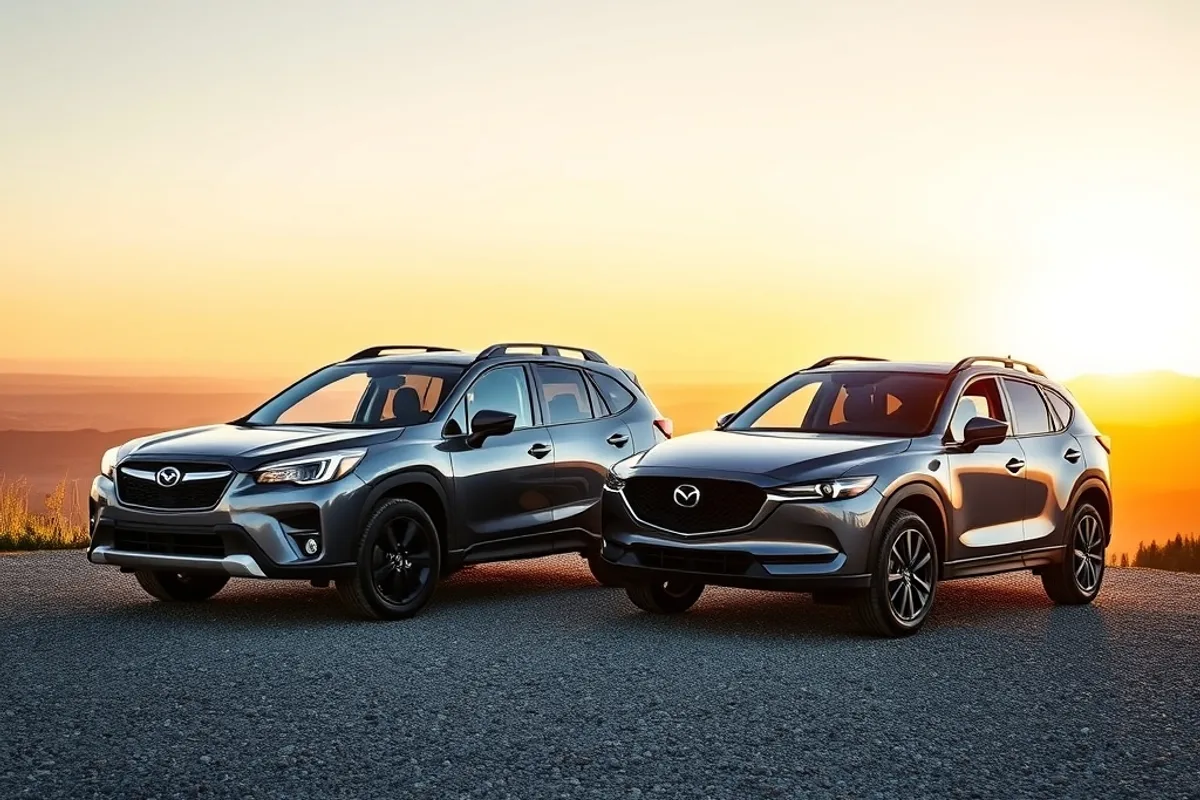
These two SUVs solve the same problem in opposite ways. The 2026 Subaru Forester is a tool: boxy, upright, generous with glass and built to keep going when the road turns to mud. The Mazda CX-50 is a design statement: lower, wider and tuned for the driver who enjoys the route as much as the destination. We ran both for 1,000 miles across city streets, highways and one very wet forest track to see which compromises matter in daily life.
What each one is trying to be
The Forester prioritises visibility and usable space. Its windows are tall, its roof is high, and its seats sit like dining chairs. Getting in and out is easy for children and grandparents alike, and the cargo opening is broad and low. Nothing about it is fashionable, and that is the point.
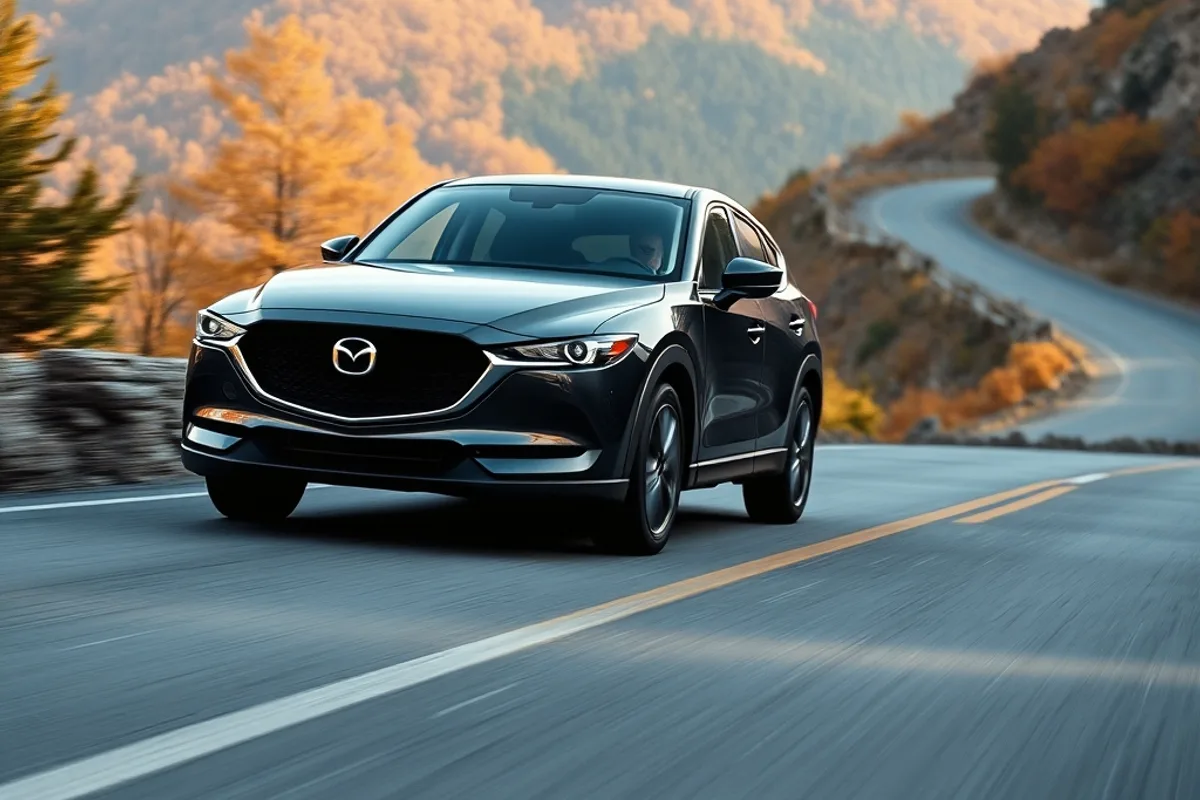
The CX-50 trades some of that for proportions. It is longer and lower, with a wide track and steering that weights up nicely. The payoff is a car that feels smaller than it is on a back road. The cost is a roofline that asks you to duck, and rear glass that is more letterbox than window.
Neither approach is wrong. If your week involves child seats, dog crates and bulky boxes, the Forester removes friction. If your week involves a commute you actually enjoy, the CX-50 earns its place.
Ride, noise and comfort
Over broken city pavement the Forester absorbs impacts with a softness that suits its role. It floats a little over crests at speed, but it never crashes or shudders. The CX-50 is firmer, with more road texture reaching the cabin, yet it settles beautifully on the highway and feels more planted in crosswinds.
Wind noise favours the Mazda slightly at 70 mph, despite its larger mirrors, because the body is smoother. Road noise favours the Subaru on coarse chip seal. Both engines are quiet at a cruise; the CX-50 turbo is the more relaxed overtaking tool, while the Forester's non-turbo four needs planning and a longer gap.
Cabin space and family life
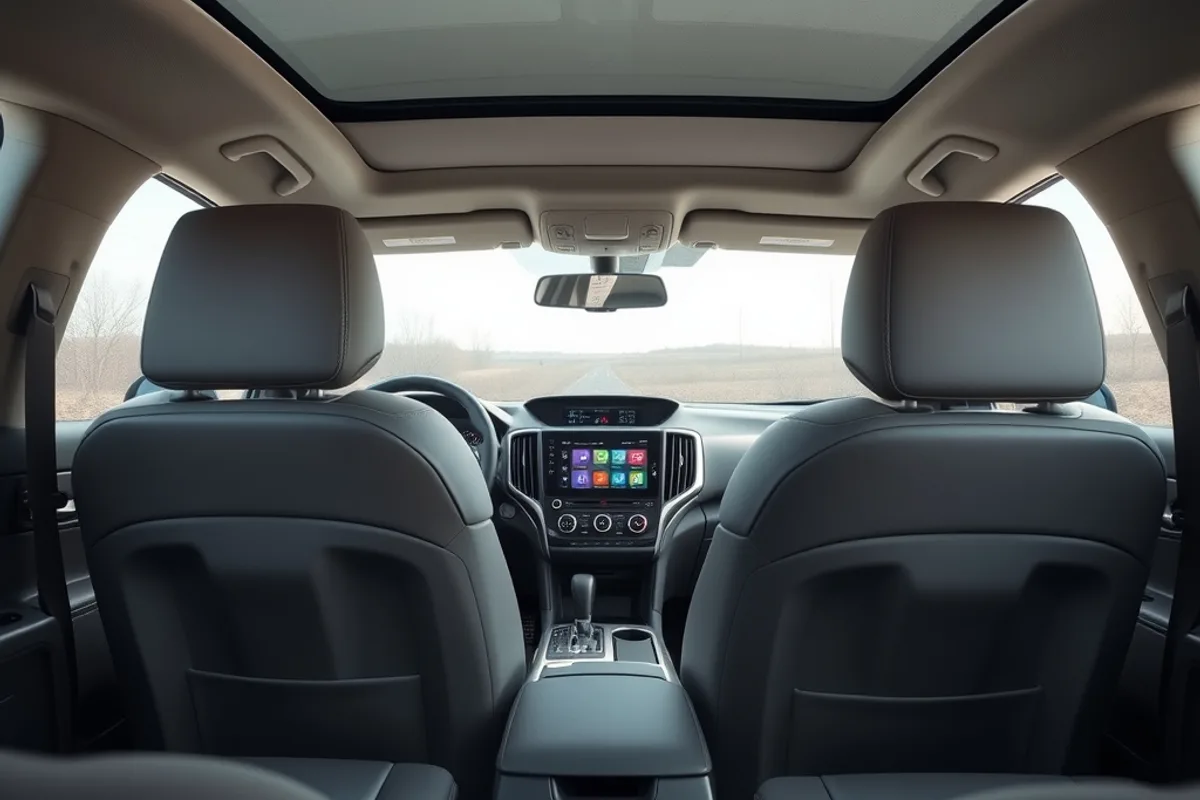
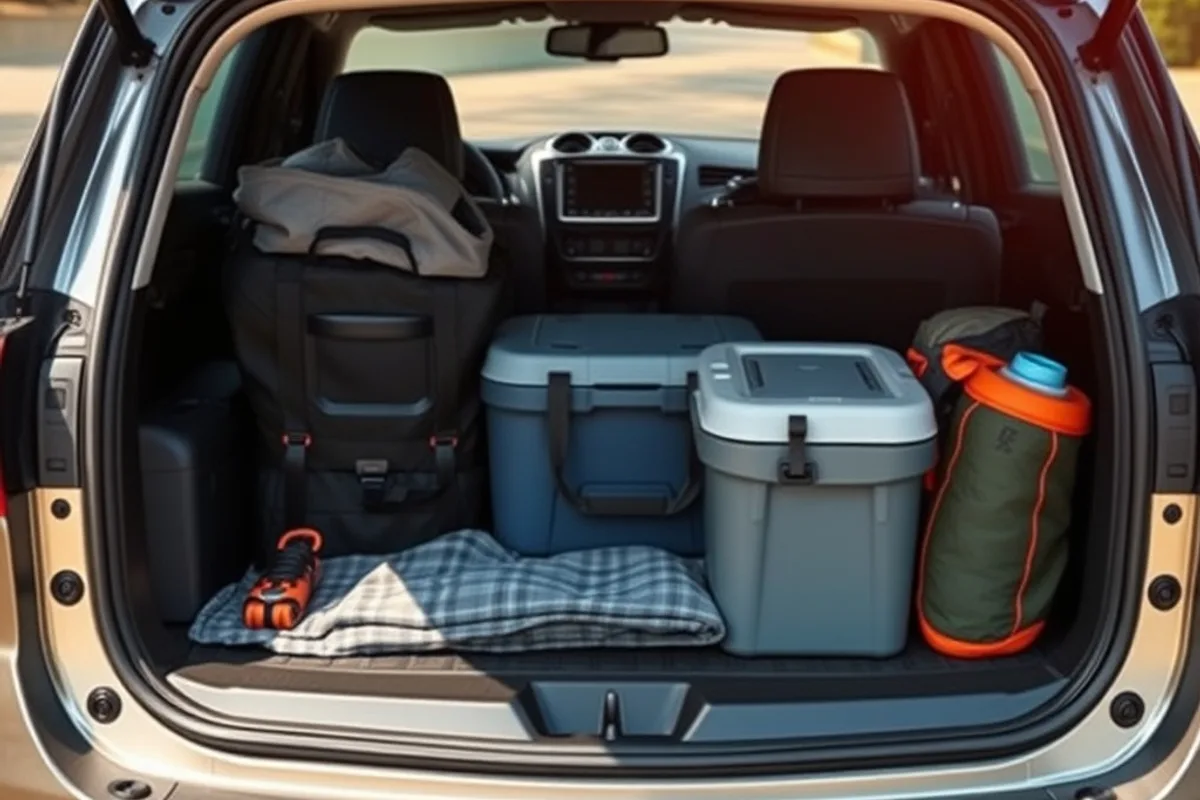
The Forester wins the practicality contest without much drama. Rear legroom is excellent, the floor is nearly flat, and the door openings are wide enough to fit a child seat without contortion. Headroom is generous in every row. The cargo area holds 26.9 cubic feet behind the rear seats and swallows a stroller upright, which is the test that matters to most families.
The CX-50 is close on paper but less forgiving in use. The rear doors open narrower, the roof slopes toward the tailgate, and taller passengers notice the ceiling. Cargo volume is 31.4 cubic feet, so the boot is actually larger, but the shape is shallower and the load lip higher.
Up front, the Mazda has the better seats and the cleaner dash. The Subaru has the better outward view and the more honest storage: big door bins, a deep console and a shelf that holds a phone without launching it under braking. The Mazda's console is tidier but smaller, and its infotainment relies on a rotary controller that some drivers love and others never learn.
Fuel economy in the real world
Our mixed loop covered 120 miles of highway at a GPS-verified 70 mph plus 80 miles of suburban traffic. The Forester averaged 31.2 mpg, close to its official combined figure. The CX-50, in non-turbo form, returned 29.6 mpg. The turbo we tested separately averaged 26.8 mpg, which is the price of the extra power.
Over 12,000 miles a year, the difference between 31.2 and 29.6 mpg is about $90 at $3.50 a gallon. That is not a reason to choose either car. The turbo's thirst is a bigger consideration, but so is the effortless passing power it brings on a loaded highway trip.
Snow, gravel and the road less travelled
Subaru's symmetrical all-wheel drive and 8.7 inches of ground clearance give the Forester a genuine advantage once the tarmac ends. On a wet forest track it crawled over ruts without scraping, and the traction system intervened early and smoothly. The CX-50 with all-wheel drive is capable on snow and gravel, but its lower ride height and street tyres ask more of the driver.
If winter means plowed roads and the occasional ski trip, either car is fine. If winter means an unplowed driveway and a hunting lease, the Forester is the safer bet. Neither is a rock crawler; both will leave you stranded if you mistake a crossover for a truck.
Technology and safety
The Forester's portrait-oriented screen is sharp but slow to warm up, and the climate controls remain physical, which we appreciate. Its driver-assistance suite is among the least annoying in the class: lane centring is gentle, adaptive cruise keeps a sensible gap, and the alerts are not hysterical. The CX-50's system is similarly competent, with a clearer camera and a better head-up display on upper trims.
Both carry strong crash-test scores and standard automatic emergency braking. Check the build date and trim before you buy, because some driver aids are bundled with options rather than fitted across the range. The Insurance Institute for Highway Safety publishes updated results each year; verify the exact model year rather than trusting a dealer's summary.
Running costs and resale
Subaru's maintenance schedule is straightforward and its dealer network is broad. Expect routine services every 6,000 miles, with costs in the $180 to $260 range for oil, filters and inspection. Mazda intervals are longer, at 7,500 miles, and its service pricing is similar. Neither car is expensive to keep, but the CX-50's larger 20-inch tyres cost more to replace, often $200 to $300 extra per set.
Resale favours the Forester in rural markets and the CX-50 in urban ones, where its styling carries more weight. Neither will hold value like a Toyota RAV4, but both are solid mid-pack performers. If you keep cars for eight years, the difference shrinks to noise.
"The Forester is the better appliance. The CX-50 is the better car. Decide which one your week actually needs."
The bottom line
Buy the Forester if you value visibility, easy child-seat access, genuine all-weather ability and the sort of boxy space that makes family logistics simpler. Buy the CX-50 if you drive alone or as a couple, want a sharper steer and can live with a lower roof and a firmer ride. Both are honest, well-built SUVs; the right answer depends on the shape of your day, not the shape of the brochure.
If your budget is closer to $20,000, read our used family car guide before you sign for new metal. And if the car you own already feels tired, the power-loss checklist may save you a trade-in.