Why Your Engine Is Losing Power: 7 Causes, Diagnosed in Order
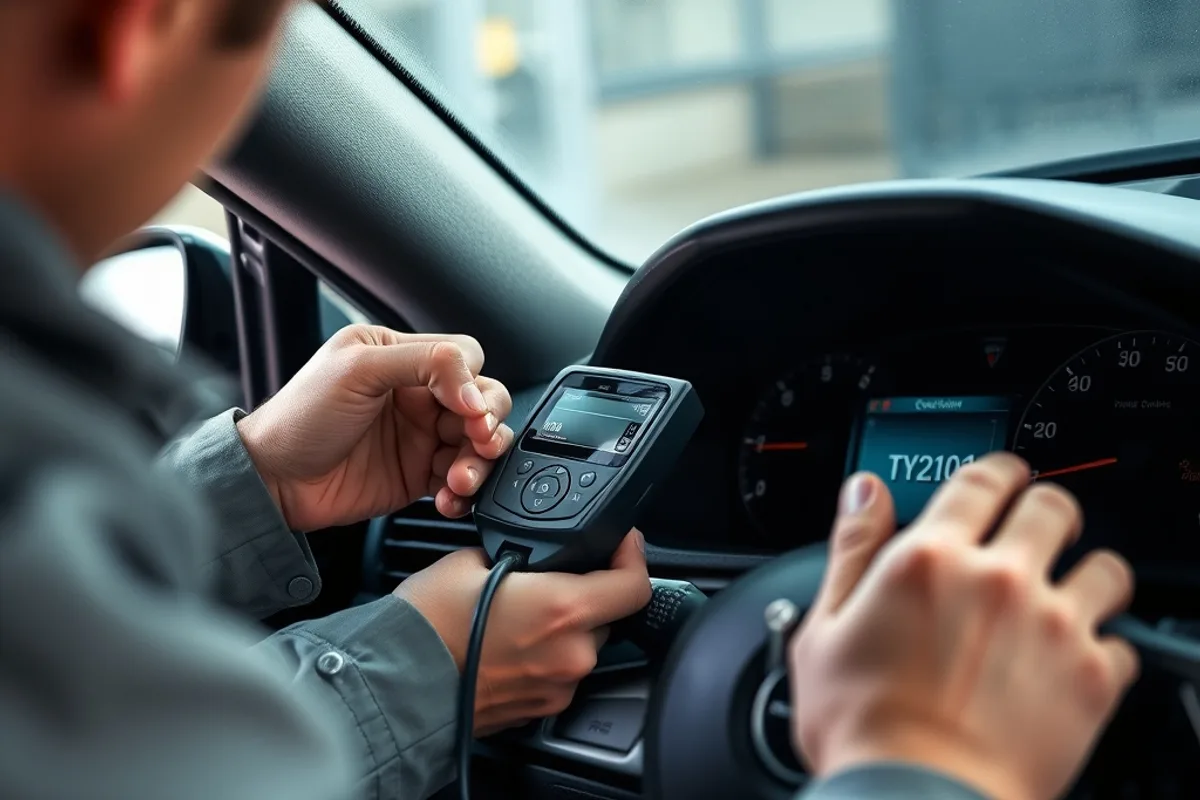
Loss of power rarely arrives all at once. It creeps in: the car needs more throttle to hold a hill, the kickdown feels lazy, fuel economy drops by two miles per gallon. By the time the check-engine light appears, the cause may have been developing for months. The good news is that most power loss is diagnostic, not catastrophic, and the tests are cheap.
1. A clogged air filter or intake restriction
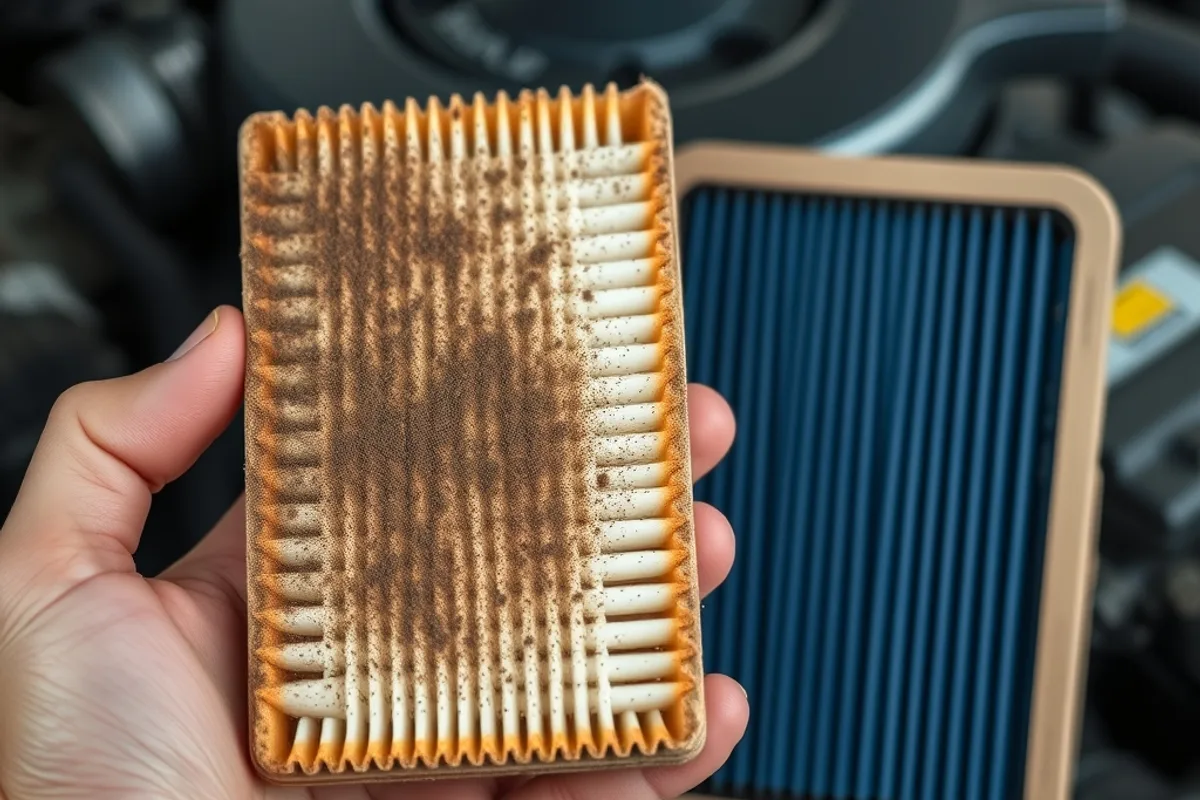
Start with the simplest item. A filter packed with dust, leaves or rodent nesting restricts airflow, especially at high rpm. Remove it and hold it up to a light; if you cannot see daylight through the pleats, replace it. Also check the intake snorkel for debris and confirm no plastic bag is trapped in the airbox.
On turbo cars, inspect the intercooler and charge pipes for leaks or oil residue. A loose clamp after a service can cause a boost leak that feels like a sudden loss of power under acceleration, often with a hiss.
2. Worn spark plugs or failing ignition coils
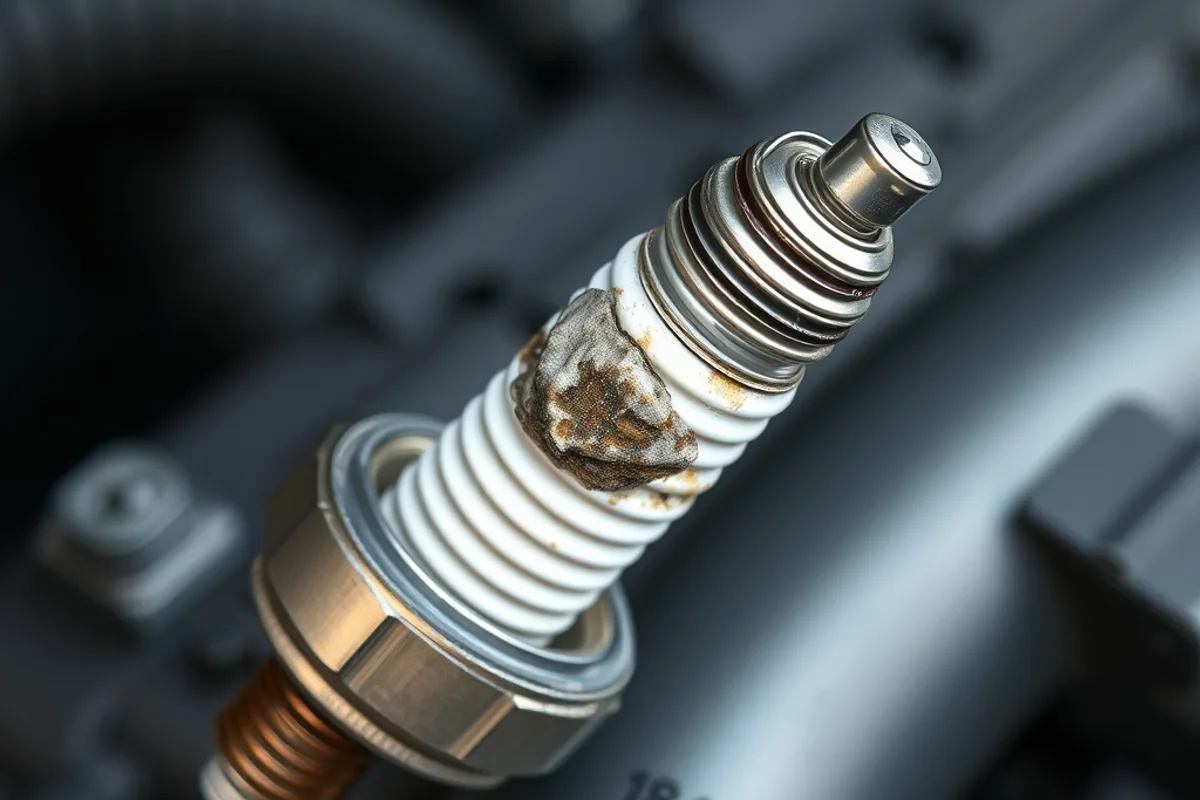
Spark plugs erode over time, widening the gap and demanding more voltage. A misfire under load feels like a stumble and often triggers a flashing check-engine light. Pull one plug from an accessible cylinder and inspect the electrode: heavy wear, oil fouling or a cracked insulator all point to replacement.
Coils fail more often than plugs on modern engines. If a single cylinder misfires, swap the coil to another cylinder and see whether the misfire code follows. That test costs nothing and identifies the culprit in minutes. Replace plugs as a set and use the exact specification from the manual.
3. A vacuum or intake leak
Unmetered air entering after the mass-air sensor leans out the mixture and confuses fuel trims. Symptoms include rough idle, a whistling sound and poor throttle response. Inspect intake hoses for cracks, especially at the accordion sections, and check the PCV valve and brake booster line.
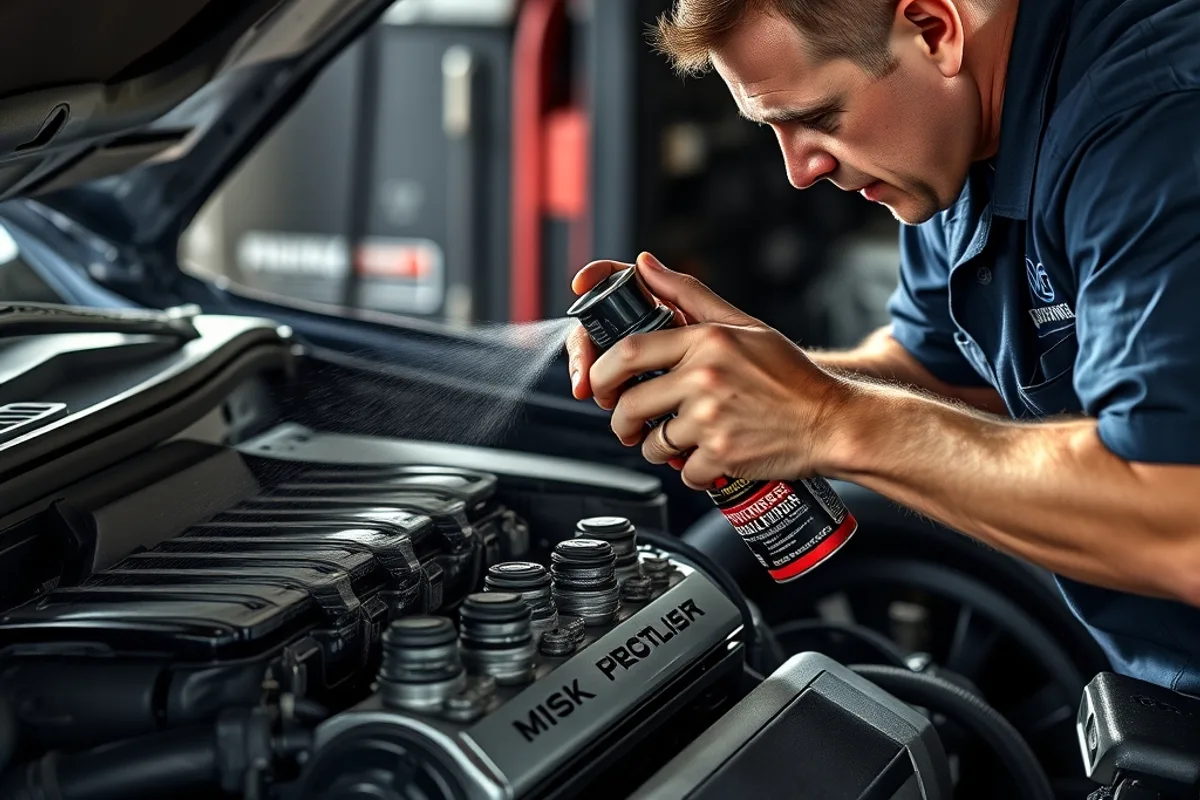
With the engine idling, carefully spray carburetor cleaner around suspect joints. If the idle changes, you have found a leak. Do this on a cold engine and keep the spray away from hot exhaust parts. A smoke test at a shop is more thorough and costs $80 to $150.
4. Weak fuel delivery
A failing fuel pump, clogged filter or dirty injectors starve the engine under load. The car may idle fine but lose power on a hill or during overtaking. Check fuel pressure at the rail if you have a gauge; compare it with the specification. A filter is cheap and often overlooked on cars with long service intervals.
Injector cleaner is worth a try if the car has been sitting or has high mileage, but it will not fix a dying pump. If fuel pressure drops under load, stop driving and have the pump tested. Running a modern car out of fuel can also damage the pump, so keep the tank above a quarter when possible.
5. A restricted exhaust or catalytic converter
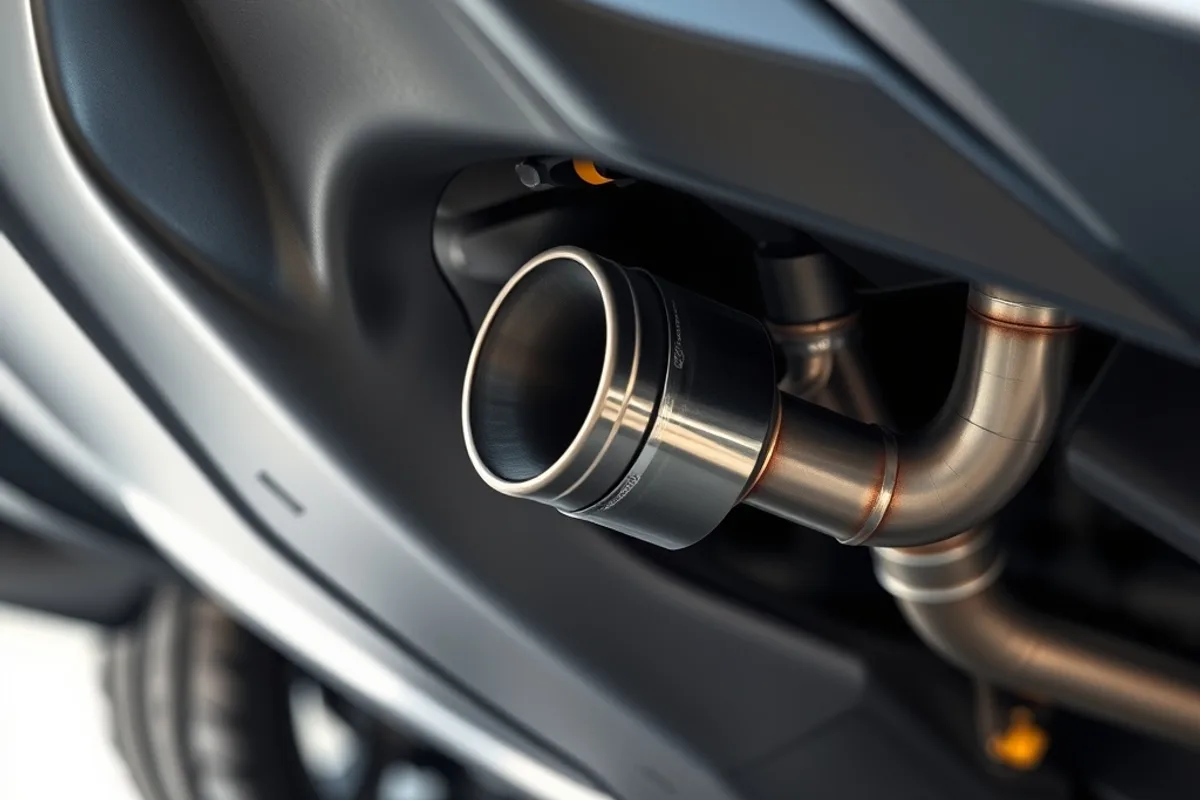
A partially blocked catalytic converter strangles the engine, especially at higher rpm. Symptoms include sluggish acceleration, a hot exhaust smell and sometimes a rattling sound from under the car. A backpressure test at a shop confirms it; a vacuum gauge can offer clues at home.
Converters fail because of misfires, burning oil or coolant, so replacing one without fixing the root cause just buys another failure. If the converter is glowing red after a short drive, stop immediately. That is a fire and heat-damage risk.
6. Faulty sensors
Mass-air sensors, oxygen sensors, throttle position sensors and coolant-temperature sensors all influence fueling and timing. A dirty mass-air sensor can under-report airflow and lean the mixture. Clean it with the correct spray, never with a rag, and let it dry fully before refitting.
Oxygen sensors degrade slowly and may not set a code until they are badly out of range. Look at long-term fuel trims with a scan tool: consistently high positive trims suggest a vacuum leak or weak fuel delivery, while negative trims suggest rich running. A good independent shop can interpret live data in minutes.
7. Dragging brakes or a tired transmission
Sometimes the engine is fine and something else is eating the power. A sticking brake caliper makes the car feel heavy and can heat a wheel after a short drive. A slipping torque converter or failing transmission flares under acceleration and may hold gears too long.
After a drive, touch each wheel hub cautiously; one much hotter than the others points to a brake drag. Check transmission fluid level and condition if the car has a dipstick, and scan for transmission codes. A fluid and filter service is far cheaper than a rebuild, but only if done before the damage is done.
How to diagnose in the right order
Scan codes first, then inspect the air filter and intake hoses, then check plugs and coils, then fuel pressure, then exhaust backpressure, then live sensor data. This order goes from cheap and likely to expensive and rare. Keep a notebook with mileage, symptoms and what you changed; patterns emerge quickly.
Do not throw parts at a symptom. A $40 sensor swap that fixes nothing is more expensive than a $120 diagnostic fee that finds the actual cause. If you lack a scan tool, many auto parts stores read codes for free, though they cannot interpret live data.
When to stop and call a shop
Stop driving if the check-engine light flashes, the engine knocks, the temperature gauge climbs or you smell raw fuel. These can turn a $300 repair into a $3,000 engine. Also stop if you have replaced filters and plugs and the problem persists; further guessing risks damaging the catalytic converter.
Choose a shop that will give you the diagnostic findings in writing, including compression and fuel-trim numbers. A good technician explains the reasoning, not just the part to replace. For regular maintenance that prevents many of these issues, start with our belt guide and brake fluid guide.
"Power loss is a clue, not a verdict. Test cheap things first and write down what you find."
The bottom line
Most sluggish engines are suffering from a dirty filter, tired plugs, a small vacuum leak or weak fuel delivery. Work through the cheap checks before assuming the worst, and use scan data rather than guesswork. If the symptoms include knocking, overheating or a flashing light, stop and get professional help. Your engine is telling you something; listen before it starts shouting.