Serpentine Belt Replacement: Symptoms, Cost and When to Act
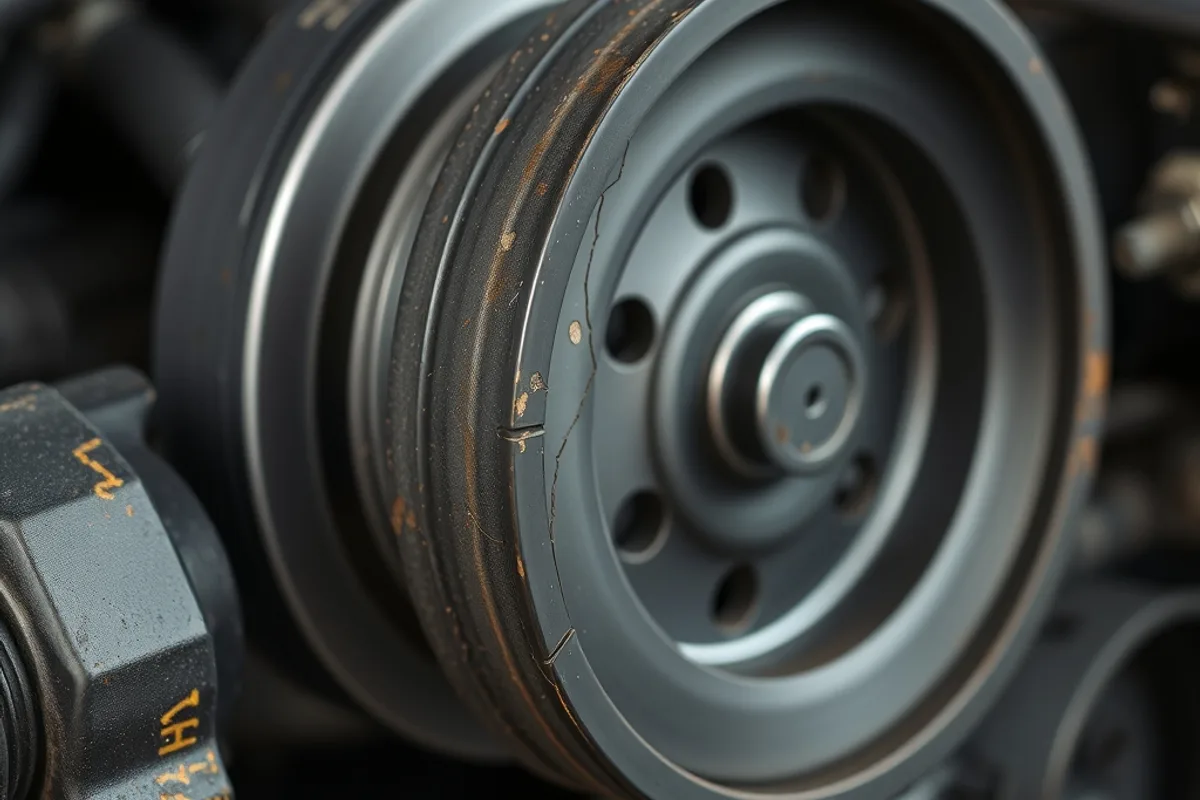
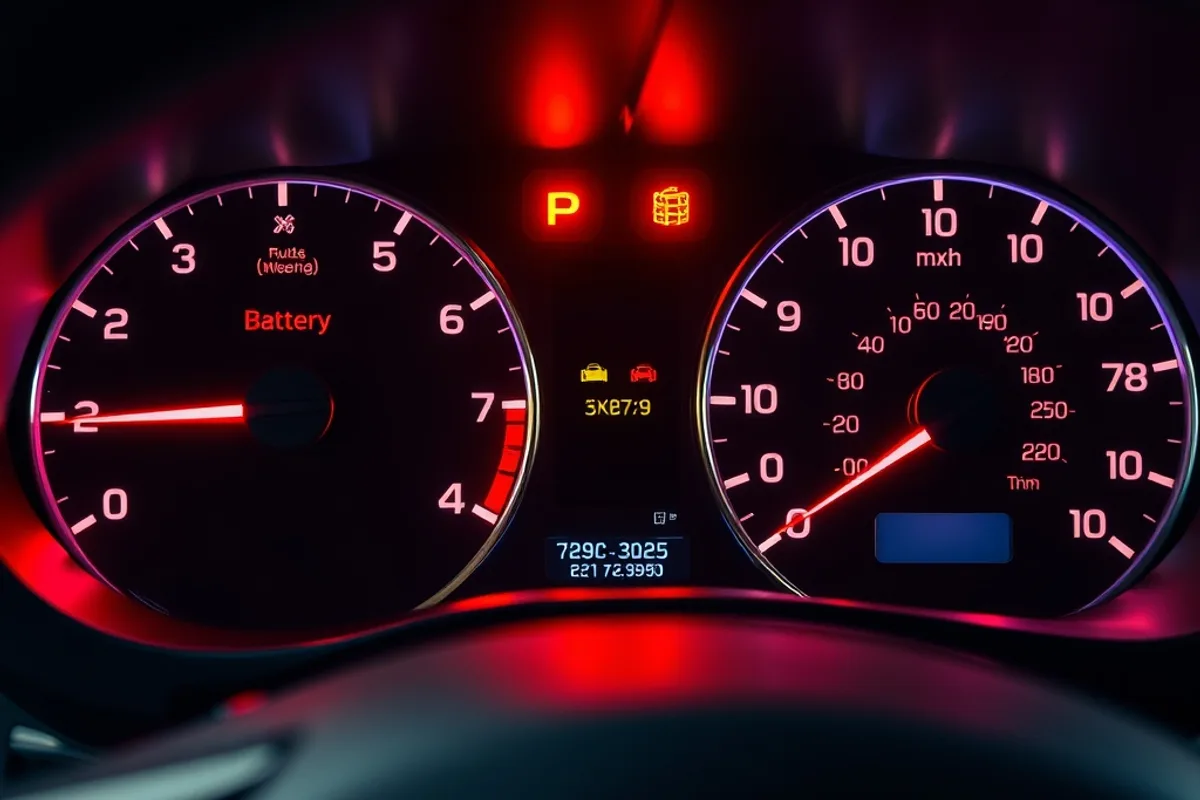
The serpentine belt is a single rubber loop that drives the alternator, water pump, air-conditioning compressor and often the power-steering pump. When it snaps, you do not get a gentle warning. You get a battery light, a temperature gauge climbing, steering that suddenly requires both arms and, on some engines, a water pump that stops turning. A $40 part can strand a $40,000 car.
What the belt does
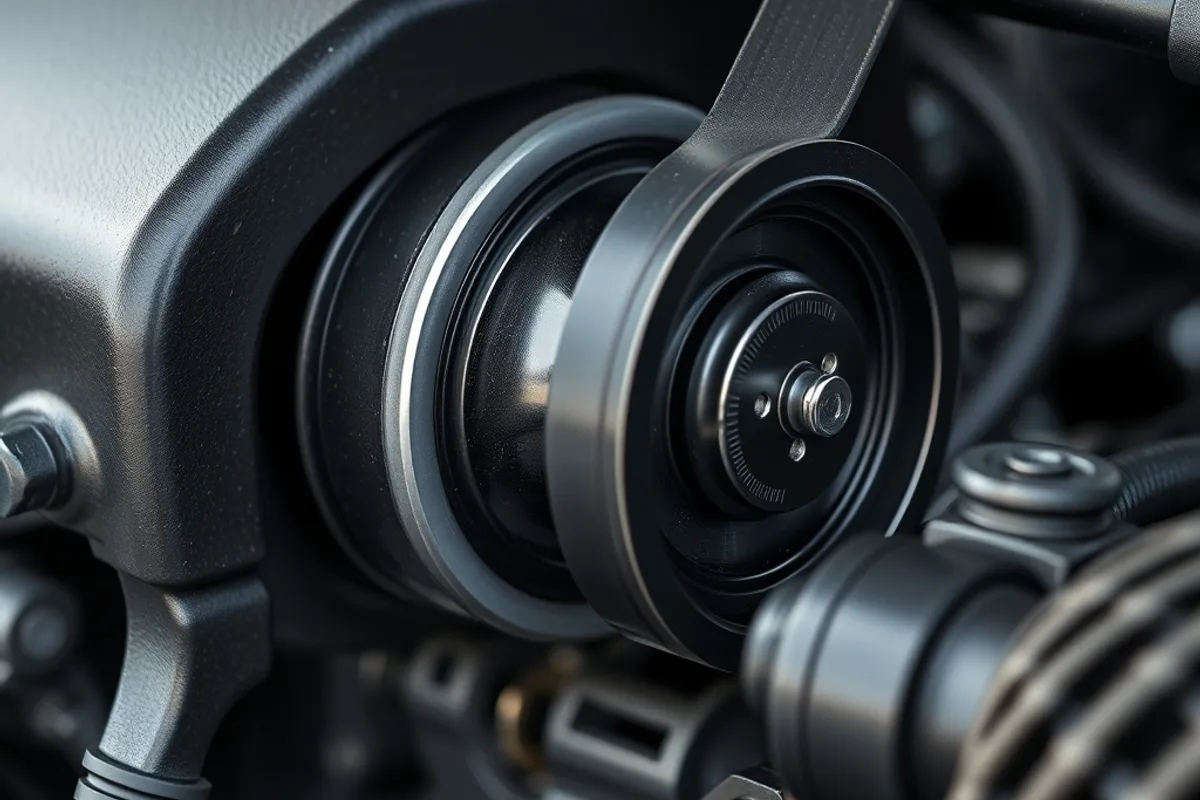
On a modern transverse engine, one ribbed belt wraps around the crankshaft pulley and every accessory driven from it. The ribs provide grip without requiring high tension. A spring-loaded tensioner keeps the belt tight as it stretches and as the engine expands. Idler pulleys route the belt around obstacles.
Because one belt drives everything, a failure is rarely isolated. The battery stops charging, the coolant stops circulating and the air conditioning quits at the same moment. If the belt wraps around the crank pulley, it can damage seals or timing components. Stop the engine immediately if the belt fails.
Symptoms to watch for
A high-pitched squeal on cold start is the classic warning. It may disappear as the engine warms, which is exactly why drivers ignore it. Other signs include a chirp that follows engine speed, a battery light at idle, dimming headlights, heavy steering at low speed or a burning rubber smell after a short drive.
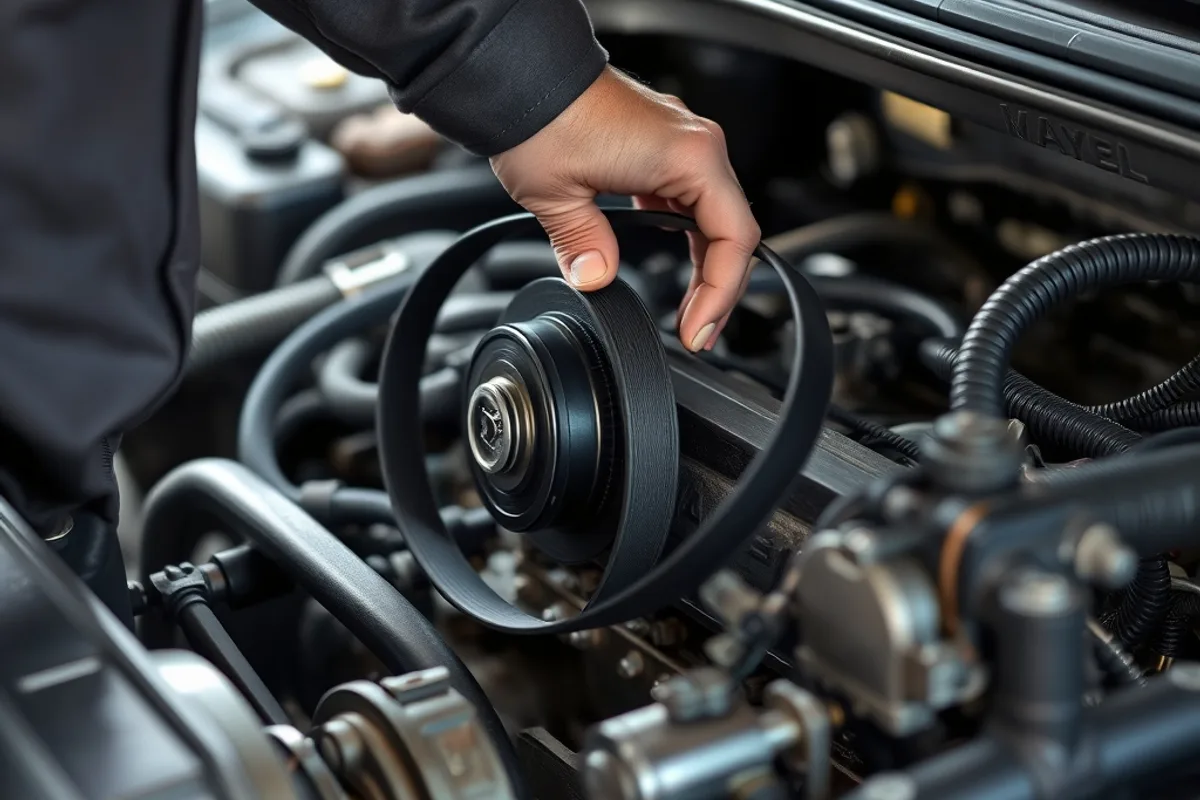
Visual inspection is simple. With the engine off and cool, shine a light along the ribbed side of the belt. Look for cracks across the ribs, missing chunks, glazing (a shiny, hardened surface), frayed edges or a belt that sits oddly on a pulley. Check both sides if you can reach them; the smooth back can crack too.
Belt versus tensioner versus pulley
Replacing the belt without checking the tensioner is a common mistake. A worn tensioner lets the belt slip, which mimics a bad belt and accelerates wear. Spin each idler pulley by hand with the belt off; it should turn smoothly and quietly with no lateral play. Any roughness means a new pulley.
On high-mileage engines, replace the tensioner and idlers with the belt as a package. The extra parts add $60 to $150 but save a second labour charge six months later. If the water pump is driven by the same belt, inspect it too; a weeping pump is easier to replace now.
Cost breakdown
Independent shops charge $120 to $200 for a simple four-cylinder engine with good access. V6 and transverse V8 layouts take longer and can reach $300 to $350. The belt itself costs $20 to $60 depending on length and brand. A tensioner adds $60 to $120, and idler pulleys $25 to $60 each.
Dealers typically charge 30 to 50 percent more. On some European models the front bumper or radiator shroud must come off, which pushes labour toward $400. Ask for a written quote that lists the belt, tensioner and any pulleys separately, so you can see what is being replaced.
Can you replace it yourself?
On many four-cylinder engines, yes. You need a wrench or breaker bar to release the tensioner, a routing diagram (often on a sticker under the hood), and patience. Photograph the old belt before removing it. Route the new belt by hand, confirm every rib sits in its groove, then release the tensioner slowly.
Do not lever the belt onto a pulley with a screwdriver; it damages the ribs. After fitting, run the engine for a minute and watch the belt track. If it walks off the edge of a pulley, stop and recheck the routing. This is a moderate DIY job, not a beginner one, and a mistake can destroy a cooling system in minutes.
What happens if you ignore it
A snapped belt leaves you with no alternator, no water pump and often no power steering. The engine can overheat within minutes, warping a cylinder head or blowing a gasket. Replacing a belt costs $150; replacing a head gasket after an overheat can cost $2,000 to $4,000. The maths is not close.
Carry a spare belt on long remote trips if your car is known for belt wear, and learn where the routing sticker is. On cars without a sticker, print the diagram and keep it in the glovebox. It weighs nothing and can save a weekend.
Prevention and inspection routine
Check the belt every oil change, or at least every 30,000 miles. Look and listen: cracks, glazing, fraying and squeals all matter. Keep the engine bay free of oil leaks, because oil degrades rubber quickly. If a valve cover gasket is weeping onto the belt, fix the leak first.
After any cooling-system repair, verify the belt is correctly routed and tensioned. Mechanics are human, and a misrouted belt can run quietly for a week before it fails. A two-minute check after service is worthwhile. Pair this with our brake fluid interval guide to keep the whole maintenance schedule on track.
"The belt is cheap. The overheat it causes is not."
The bottom line
Inspect the serpentine belt at every oil change and replace it by 60,000 to 100,000 miles, sooner if you see cracks or hear a squeal. Budget $120 to $350 at a shop, and replace the tensioner with the belt on high-mileage cars. It is one of the few maintenance jobs where a small spend prevents a very large one. If the engine is also down on power, work through our diagnostic checklist next.