Brake Fluid Flush: Interval, Cost and Why It Matters
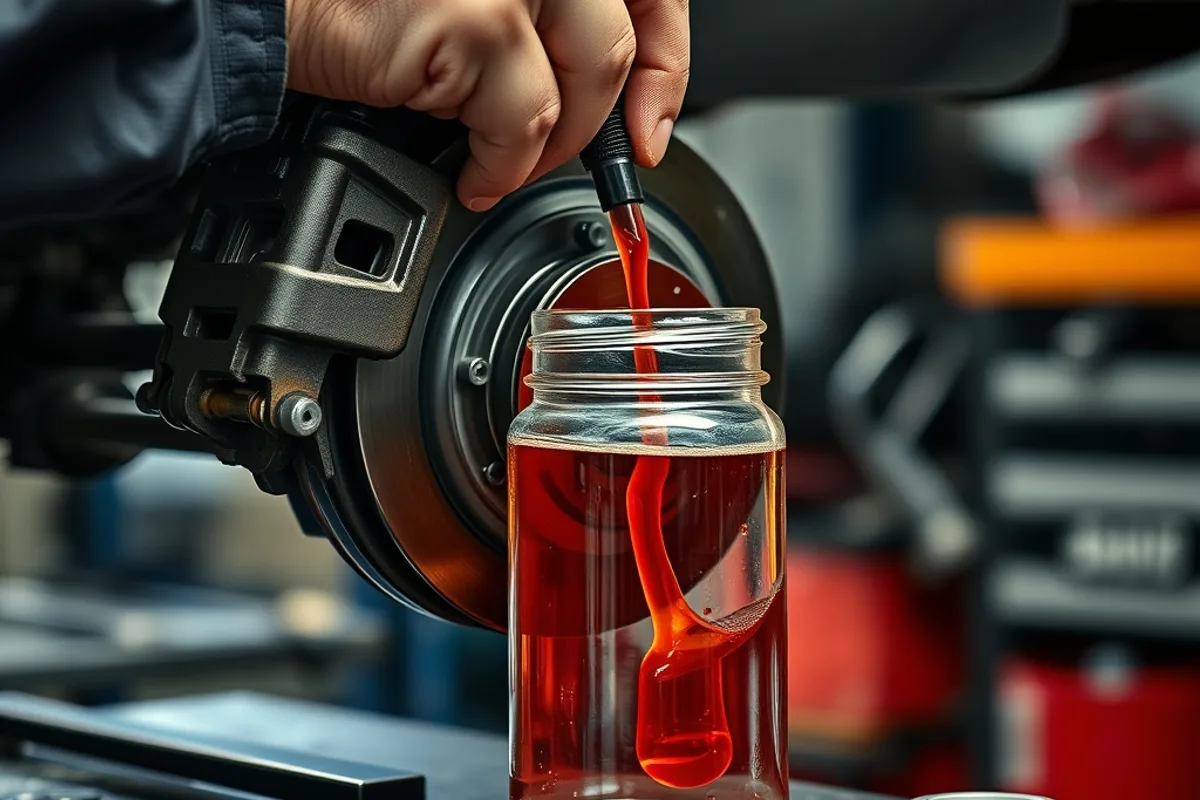
Brake fluid is the one maintenance item that fails silently. There is no warning light for contaminated fluid, no smell and no visible leak. The pedal still feels fine, right up to the moment a hard stop on a hot descent asks more of the system than old fluid can deliver. A flush is cheap; the alternative is not.
Why brake fluid wears out
Most cars use DOT 4 glycol-based fluid, which is hygroscopic: it absorbs moisture from the air through the reservoir vent and through rubber seals. Two percent water in the system lowers the boiling point by roughly 90 degrees Fahrenheit. On a long mountain descent, that is the difference between firm brakes and a pedal that sinks to the floor.
Water also corrodes the internals of the master cylinder, calipers and ABS pump. Those parts cost far more than a flush. A $120 service every three years is the cheapest insurance in the maintenance schedule.
When to change it
Follow the owner's manual first. Most European and Asian manufacturers specify 2 years, while some domestic brands say 3 years or 36,000 miles. Severe use changes the maths: towing, track days, mountain driving and humid climates all shorten the useful life. If the fluid looks dark brown or black rather than clear amber, it is overdue regardless of mileage.
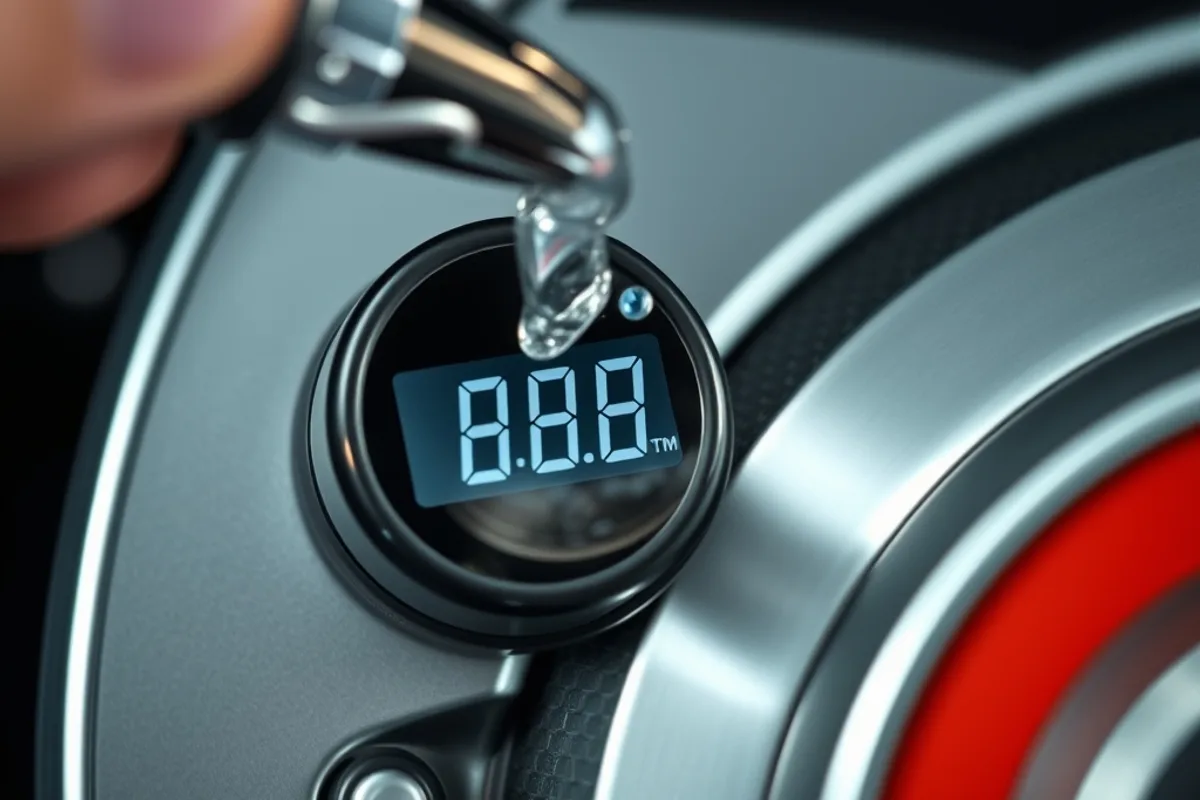
A moisture tester costs about $15 and gives a percentage reading at the reservoir. Below 1 percent is healthy, 2 percent is due soon, and 3 percent or more means replace it now. Testers are approximate, but they are good enough to settle the question.
What a flush actually includes
A proper flush replaces fluid at all four corners, not just the reservoir. The technician connects a bleeder to each caliper in sequence, opens the bleed screw and pumps or pressure-feeds new fluid until clean fluid runs out. Air must not enter the system, so the reservoir is topped up continuously.
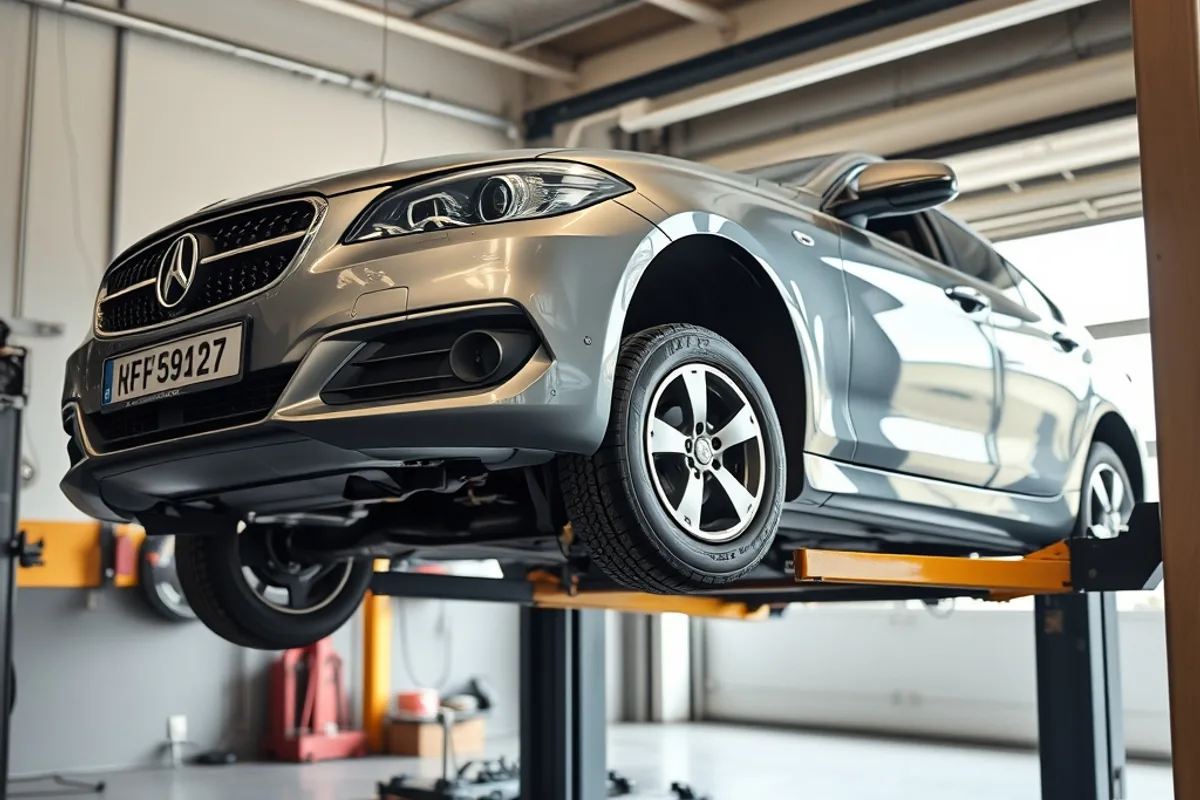
Expect the job to take 45 to 90 minutes. A good shop will also check the brake lines, inspect pad thickness and test the pedal feel afterwards. Some cars need a scan tool to cycle the ABS pump, which adds time and cost.
Cost breakdown
For a compact sedan or SUV, independent shops charge $90 to $160 including fluid. Dealers often ask $140 to $220. Vehicles with electronic parking brakes or complex ABS modules can reach $250. The fluid itself costs $10 to $20 a quart, and most cars need one to two quarts.
DIY is realistic if you have jack stands, a bleeder bottle and a helper. A pressure bleeder makes the job a one-person task and costs $40 to $70, which pays for itself after one service. Do not attempt it if you are unsure about bleeding order or torque values; a soft pedal is a safety defect, not an inconvenience.
Symptoms of old fluid
A spongy or long pedal is the classic sign, but it often appears only under heat. Other clues include a pedal that sinks slowly at a red light, dark fluid in the reservoir, or brakes that fade after repeated hard stops. None of these guarantee the fluid is the cause, which is why diagnosis matters.
If the pedal sinks while the car is stationary and the fluid level is stable, suspect the master cylinder rather than the fluid. If the level drops, find the leak before driving anywhere. Brake problems escalate quickly and never fix themselves.
DOT 4, DOT 5.1 and the silicone trap
Use what the manufacturer specifies. DOT 4 and DOT 5.1 are glycol-based and can be mixed in an emergency, though you should flush back to the correct spec. DOT 5 is silicone-based and must never be mixed with glycol fluid; doing so creates a gel that ruins the system. If a previous owner converted to DOT 5, verify it before topping up.
Higher DOT numbers do not mean better fluid for a street car. DOT 5.1 has a higher dry boiling point but absorbs moisture just like DOT 4. For normal driving, fresh DOT 4 beats old racing fluid every time.
How to make the service last
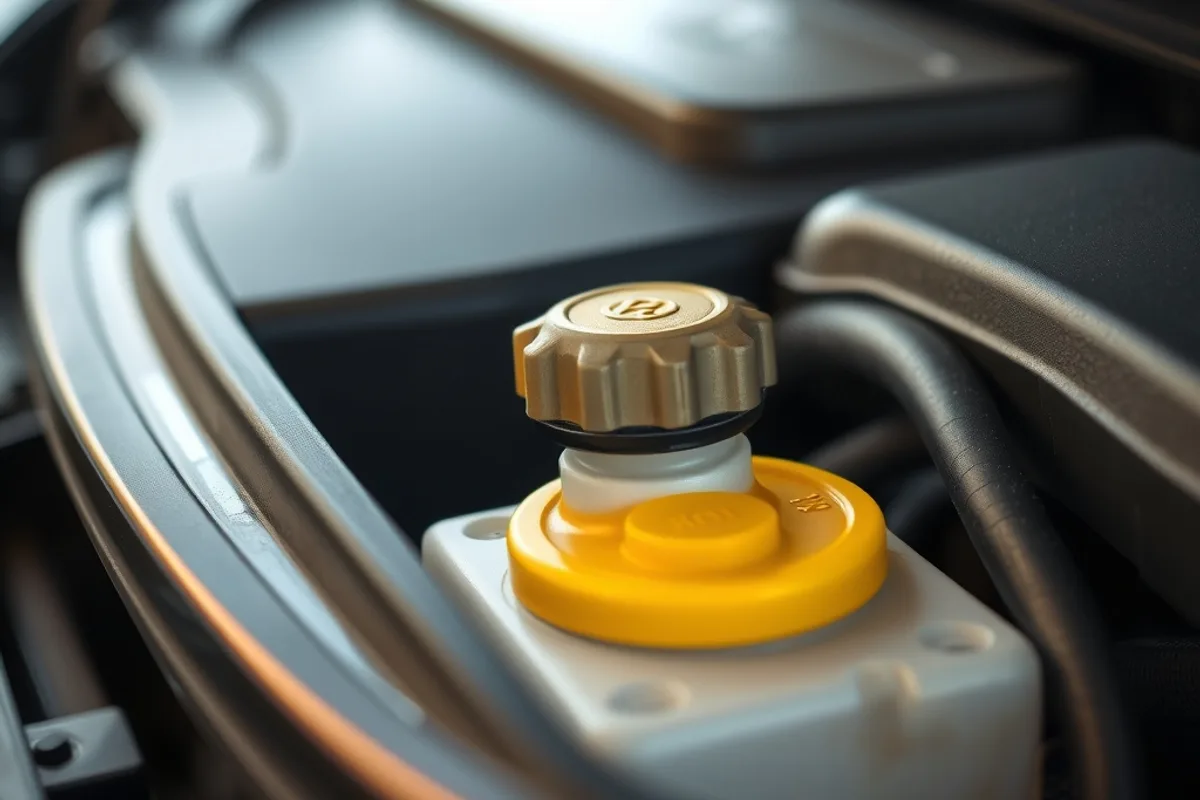
Keep the reservoir cap clean and sealed. Wipe the area before opening it, and never leave the cap off longer than necessary. Avoid pressure-washing the engine bay directly at the reservoir. Check the level monthly and have any unexplained drop inspected immediately.
If you drive in mountains or tow regularly, shorten the interval to two years and consider a high-quality DOT 4 from a sealed container. Fluid sitting open on a shelf absorbs water too, so buy only what you need. For the rest of your service plan, see our serpentine belt guide and the used car checklist.
"You cannot feel water in brake fluid until the one stop where it matters."
The bottom line
Flush brake fluid every two to three years, or sooner if a tester reads 3 percent moisture. Pay $90 to $160 at a good independent shop and ask them to inspect the lines and pads while the wheels are off. It is the least glamorous service on the invoice and one of the few that can save your life.