Best Dash Cams for 2026: Features That Matter When It Counts
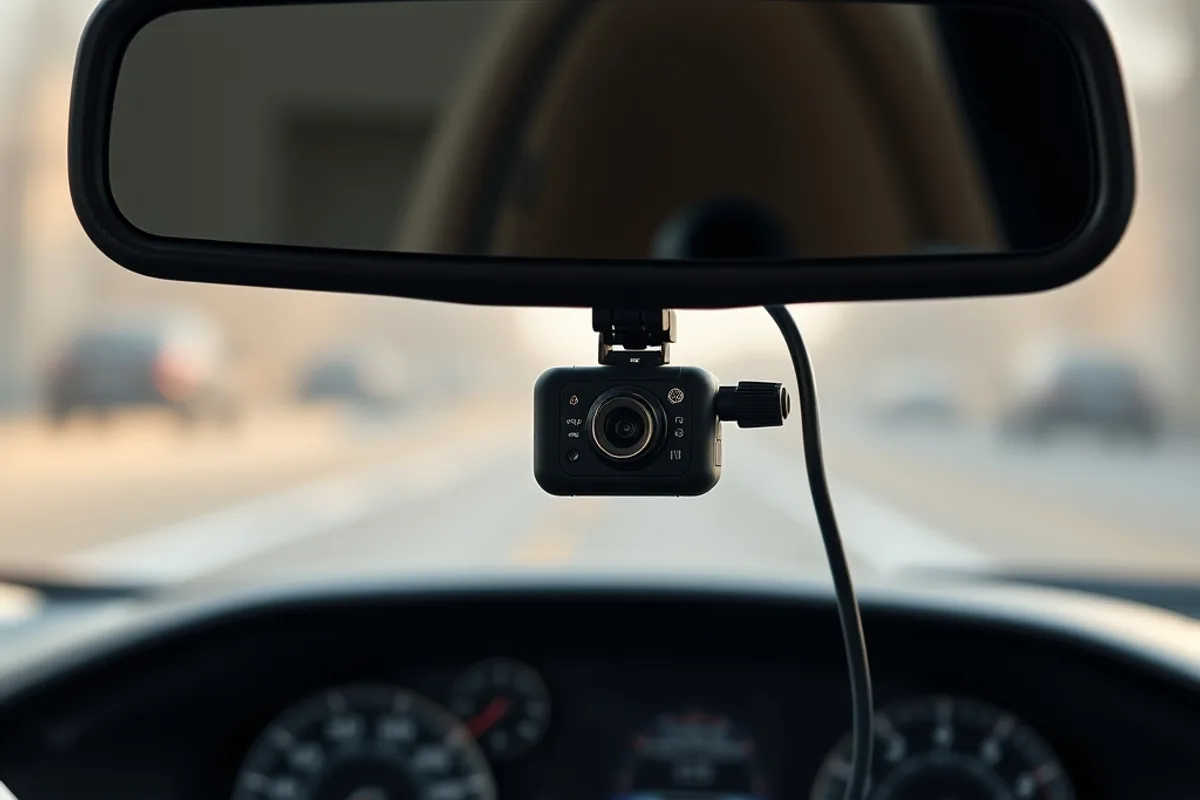
A dash cam is insurance for your version of events. The difference between a good one and a cheap one is not the resolution sticker on the box; it is whether the footage is readable at night, whether the camera survives a hot dashboard in August and whether it actually records when the ignition cycles. Buy for the worst day, not the spec sheet.
Resolution is not the whole story
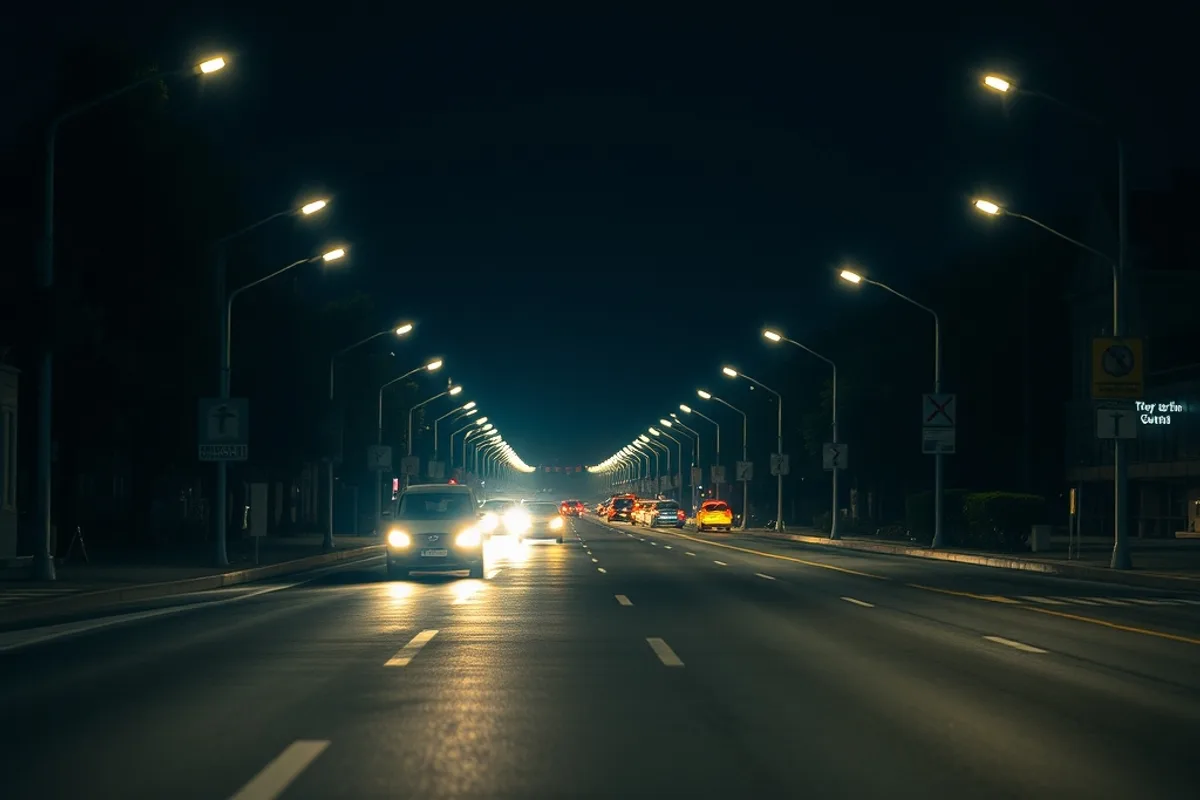
A 4K camera with a tiny sensor produces noisy night footage that no insurer can read. A 1440p camera with a larger sensor and a fast lens often captures clearer plates after dark. Look for a stated aperture of f/1.8 or better, and read sample night footage rather than trusting the box.
Bitrate matters too. A camera that compresses heavily to fit more on a card will smear detail in motion. Check reviews that show moving traffic, not just parked scenes. If a plate is unreadable at 30 feet, the camera is not doing its job.
Field of view and mounting
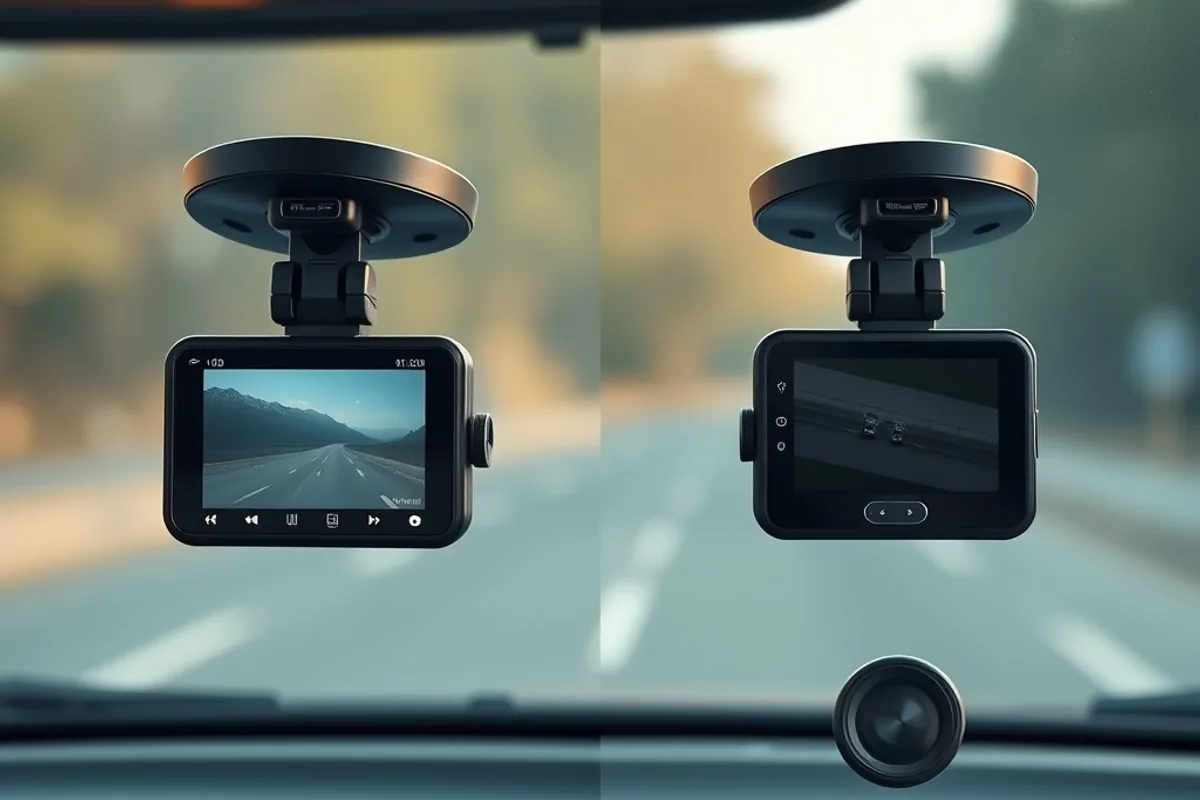
A 140-degree lens captures three lanes without too much distortion. Wider lenses see more but shrink distant details, making plates harder to read. Mount the camera behind the mirror so it does not block your view or attract attention. A sticky pad on a clean glass patch is more reliable than a suction cup in heat.
Check local rules before mounting anything on the windshield. Some jurisdictions restrict obstruction of the driver's view, and a few prohibit dash cams entirely. Privacy laws also vary for recording audio; disabling the microphone avoids a long list of problems.
Heat, power and parking mode
Cars get hot. A camera with a lithium battery can swell or fail in a sun-baked windshield; a supercapacitor handles heat far better and is the right choice for most climates. Look for an operating range that covers at least 140 degrees Fahrenheit.
Parking mode needs a hardwire kit and a voltage cutoff to protect the battery. It is useful for hit-and-run damage but can drain a weak battery. If you park on the street, a buffered parking mode that saves a few seconds before an impact is worth the extra cost. Test it before relying on it.
Storage and reliability
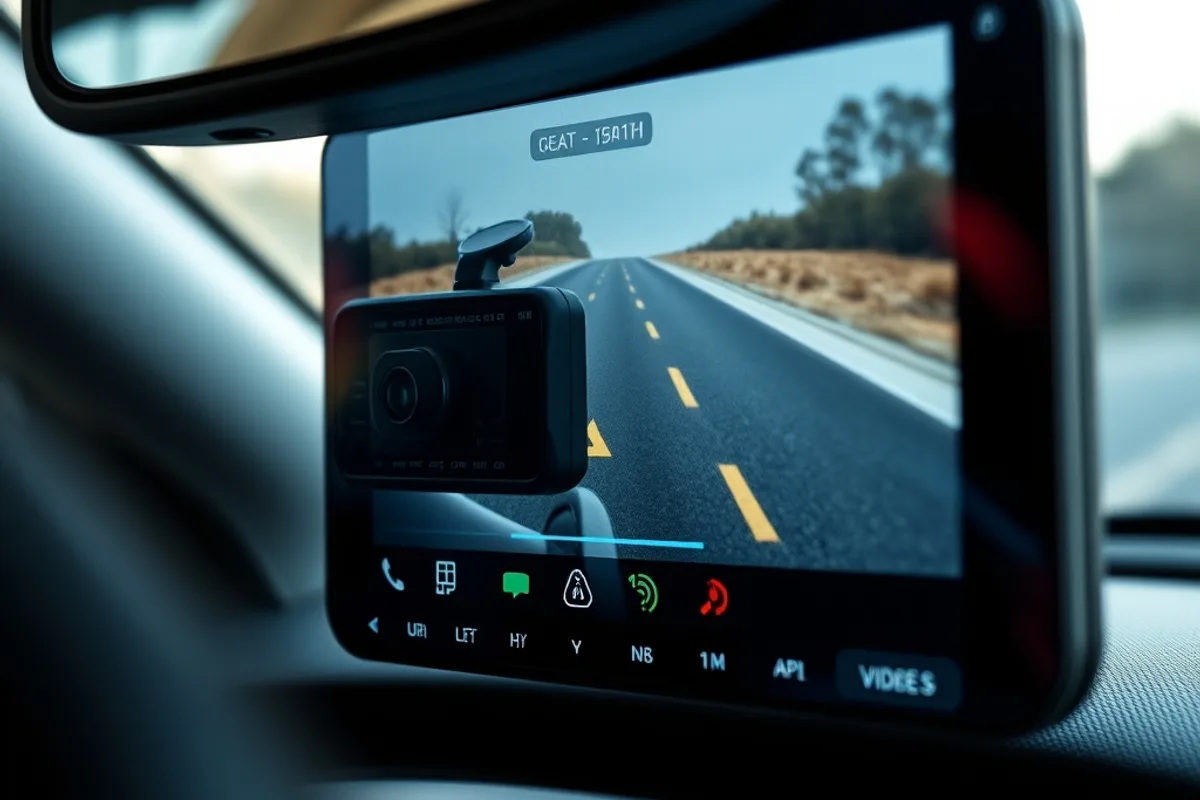
Use a high-endurance microSD card rated for continuous recording. Standard cards fail early in dash cams, and a corrupted card is the same as no camera. Format the card in the camera every few weeks, and replace it every year or two. A 128GB card typically holds six to ten hours at 1440p.
Check that the camera overwrites the oldest files automatically and that it recovers from power loss. Some cheap models corrupt the last file when the ignition cuts. A camera that loses the final 30 seconds is useless in exactly the situation you bought it for.
Features worth paying for
Buffered recording, GPS logging, a polarizing filter and a rear camera are the features that earn their keep. GPS proves speed and location, which can support or undermine your account depending on the facts. A rear camera doubles coverage for rear-end collisions, the most common crash type.
Cloud uploads and driver-assistance alerts sound impressive but add complexity and subscription costs. They are not necessary for a basic evidence camera. Prioritise image quality, heat tolerance and reliable power over app features you will use twice.
Installation and cable routing
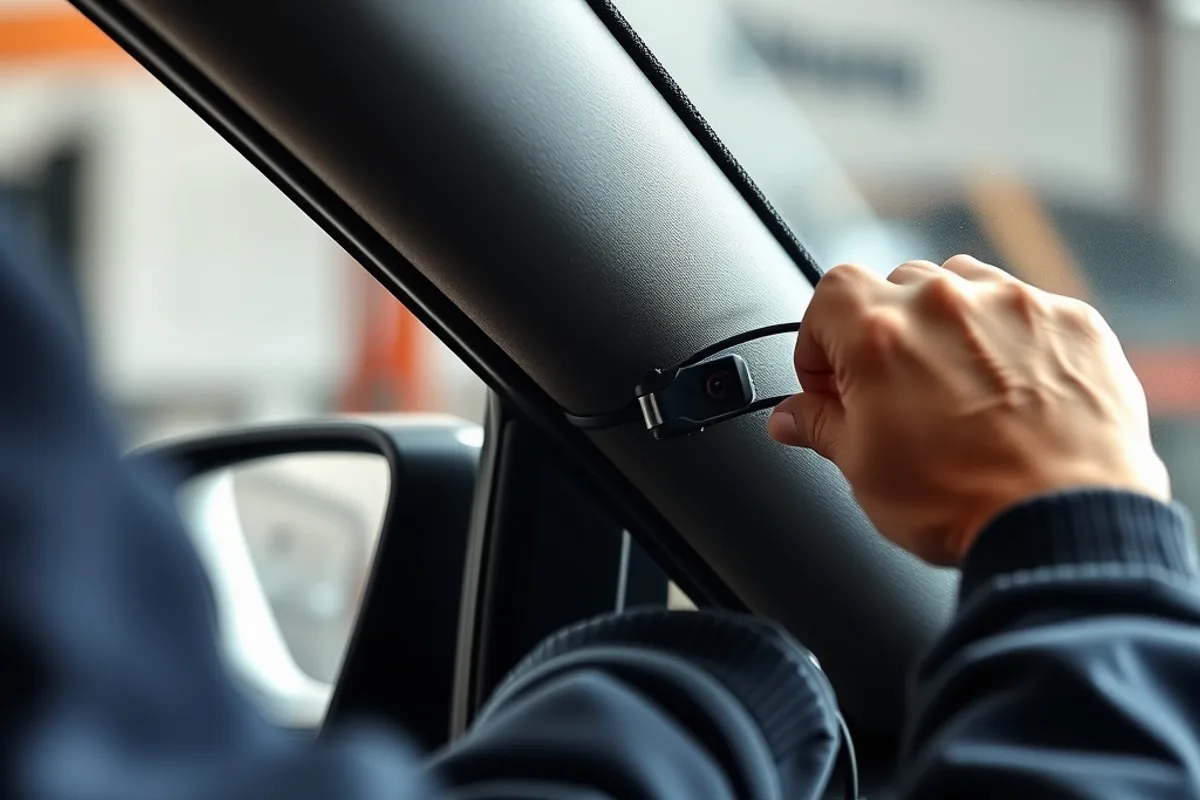
Most cameras install in 20 to 40 minutes. Route the power cable along the headliner, down the A-pillar and under the dashboard to a 12-volt socket or fuse tap. Do not run it across an airbag seam; tuck it behind trim instead. A plastic trim tool prevents scratched panels.
For parking mode, use a fuse tap with a properly rated add-a-circuit and set a voltage cutoff around 12.2 volts. If you are not comfortable working with fuses, pay a shop. A poorly wired camera can drain the battery or interfere with vehicle electronics.
What we would buy at each budget
Under $100, expect basic 1080p footage and limited night performance. It is better than nothing but may not capture a plate. Around $150, quality 1440p cameras with good sensors and supercapacitors become available. Above $250, you are paying for 4K, rear channels or cloud features rather than a fundamental jump in reliability.
For most drivers, a $150 to $200 single-channel camera with a quality card and a professional install is the right answer. Add a rear camera if you regularly carry passengers or drive in dense traffic. Skip the $40 no-name units; the footage is usually too soft to help.
"A dash cam is only as good as the frame you can read at night, three months later."
The bottom line
Choose a supercapacitor camera with a large sensor, 1440p or 4K front recording, a 140-degree lens and high-endurance storage. Mount it behind the mirror, hide the cable and test the footage before you need it. It will not make you a better driver, but it will make a bad day easier to prove. For the other half of your accessory budget, read our rack comparison.