Roof Rack vs Hitch Rack: Which Carries More for Less?
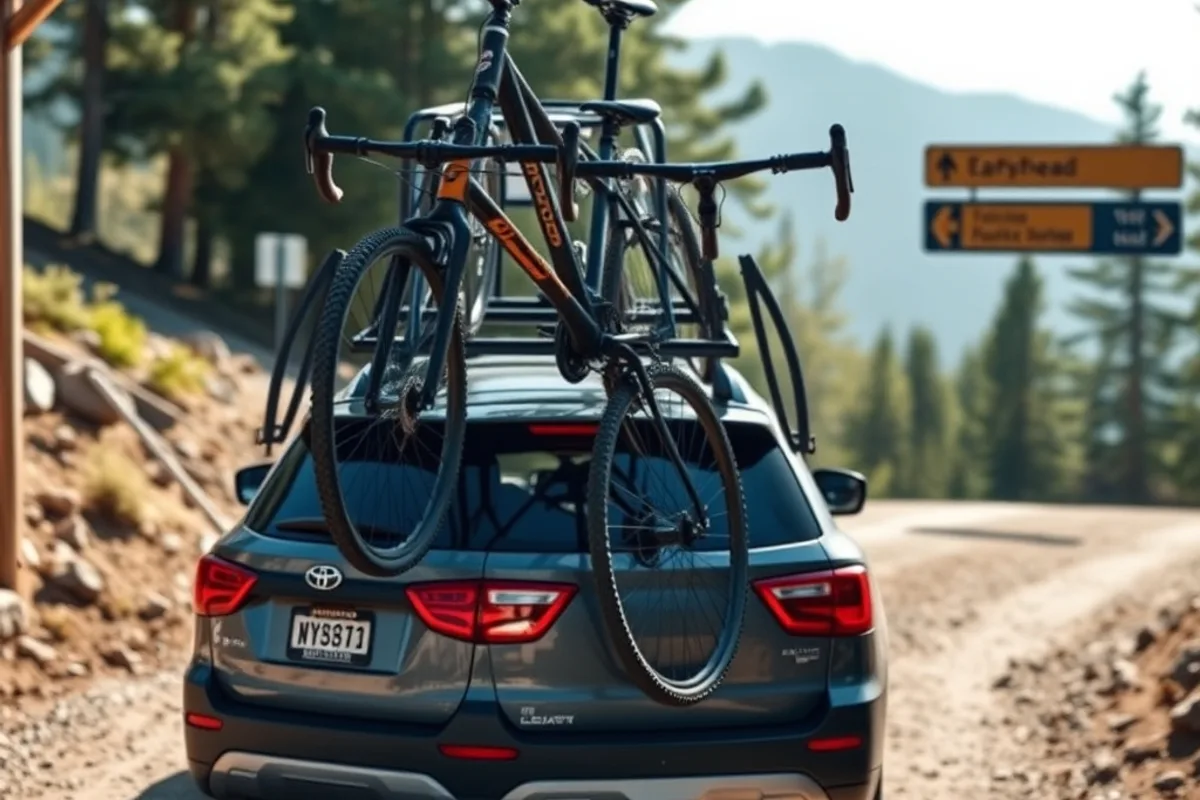
The rack decision looks like a storage question and is really a physics question. Every option adds weight, changes aerodynamics and affects how easily you load the car. Roof racks win on capacity and lose on fuel and access. Hitch racks win on convenience and lose on ground clearance and rear visibility. Pick the one that matches how often you actually carry things.
How each system carries load
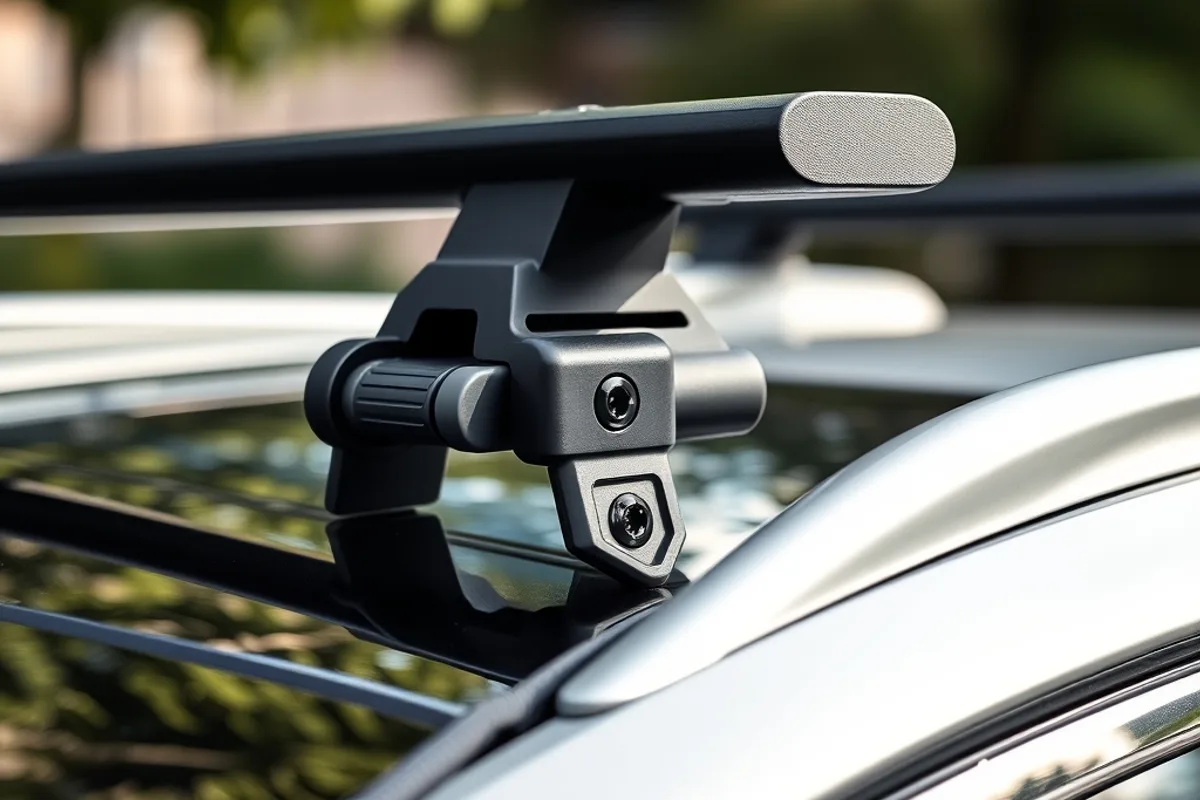
A roof rack spreads weight across the roof rails and crossbars. It can carry bikes, kayaks, lumber or a cargo box, and it leaves the hitch free for towing. The trade-off is height: lifting a 50-pound kayak above your head is fine once, less fine every weekend. Roof load also raises the centre of gravity and creates drag.
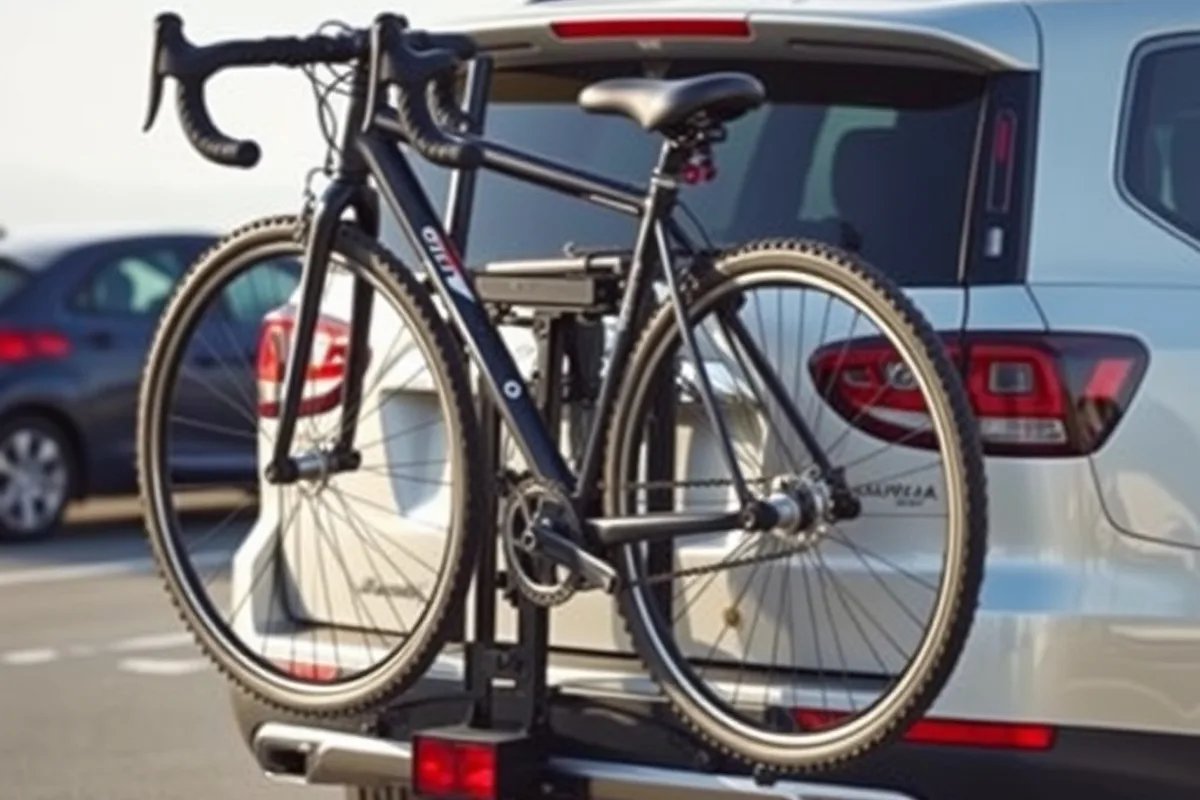
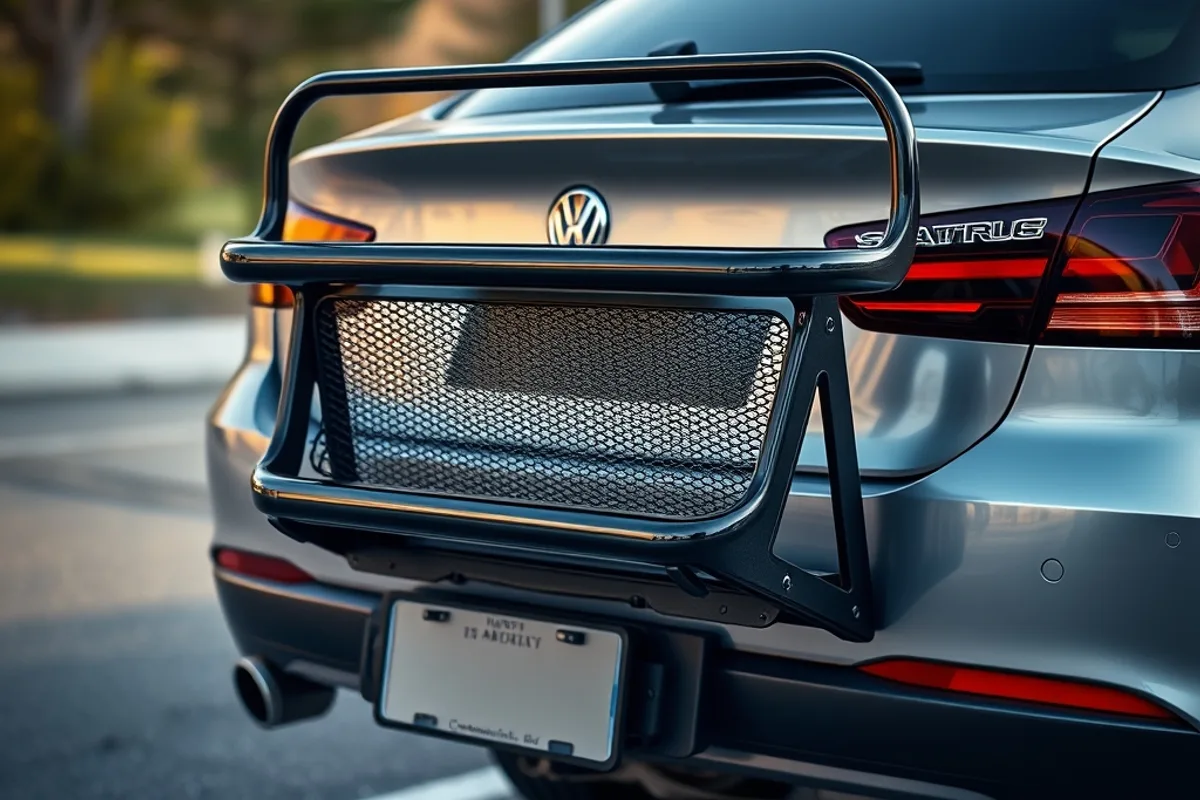
A hitch rack bolts into a receiver and carries load behind the rear axle. Bikes load at waist height, which is far easier, and a cargo tray can hold coolers or luggage. The hitch rack can block the rear hatch, tail lights and camera, and it reduces departure angle on steep driveways. It also requires a hitch receiver, which some cars lack.
Real capacities and limits
Check the vehicle's roof limit, not just the rack's. Many crossovers allow 165 pounds dynamic, which must include the rack and cargo box. Four bikes at 30 pounds each plus a 40-pound rack already exceeds that. Static limits are higher, which matters for a rooftop tent but not for driving.
Hitch racks are rated by the receiver class and the rack's tongue weight. A Class I hitch may handle only 200 pounds, enough for two bikes but not four e-bikes. E-bikes are heavy; two can weigh 130 pounds, and the rack itself may add 60. Verify the combined figure before buying.
Fuel economy and noise
Our highway test with a roof-mounted cargo box cost 4.2 mpg at 70 mph, roughly 12 percent. Empty crossbars cost about 1 mpg. A hitch rack with two bikes cost 1.5 mpg, mostly from the bikes sitting in the airflow. The faster you drive, the worse the roof penalty becomes.
Noise follows the same pattern. An empty roof rack whistles; a box hums; a hitch rack is quiet until the bikes start moving. If you do long highway trips, the hitch rack is the more comfortable companion. If you need maximum cargo volume, the roof wins despite the cost.
Access and daily usability
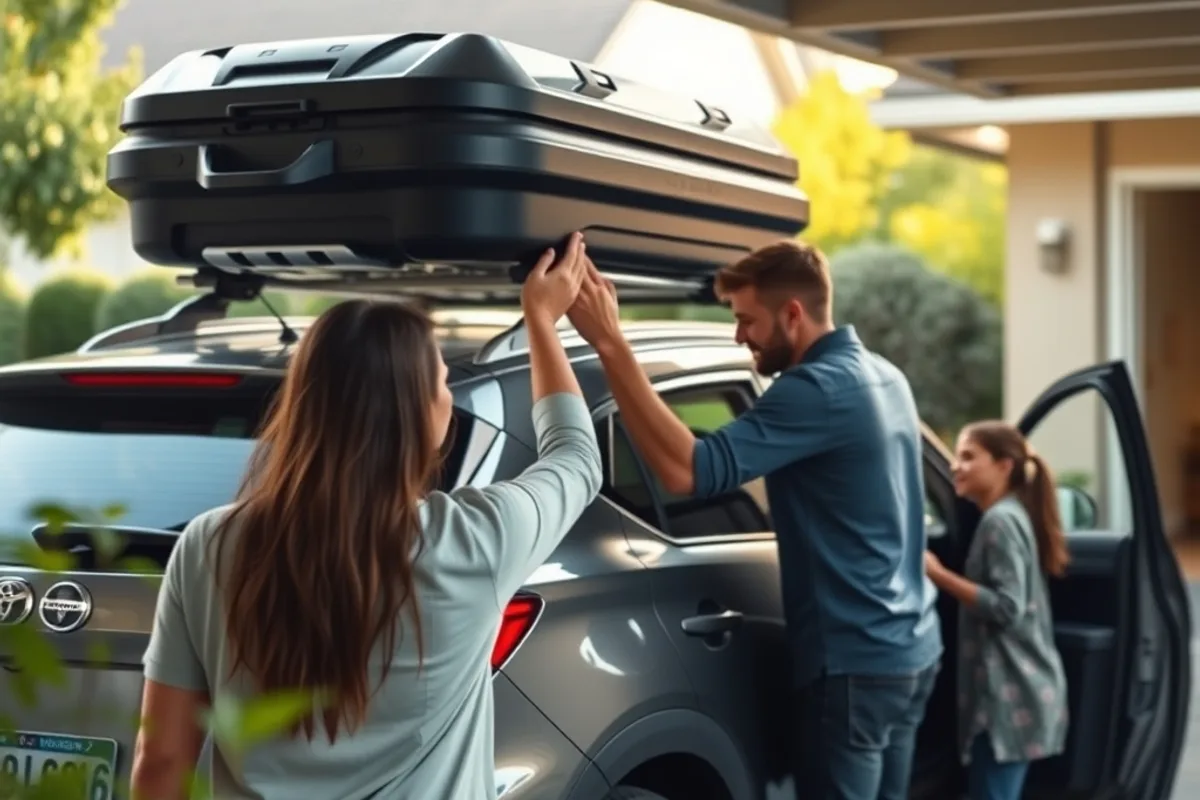
Roof racks make garage parking impossible for tall vehicles and turn a quick bike ride into a lifting session. Hitch racks fold up when empty but can block the hatch when loaded. Some swing away to allow access, which is worth the extra cost on a family car.
If you carry bikes weekly, convenience matters more than fuel. If you carry a kayak twice a summer, a roof rack is cheaper and keeps the hitch free. If you need both, a roof box plus a hitch bike rack is a common and workable combination, within the vehicle's limits.
Cost breakdown
A basic roof setup with crossbars and two bike trays costs $300 to $600, depending on the car. A cargo box adds $300 to $800. A hitch receiver costs $250 to $600 installed, and a quality hitch rack adds $250 to $700. E-bike rated racks cost more, often $600 to $1,000.
Cheap racks are a false economy. A failed strap or clamp can send a bike into traffic. Buy from a brand with a stated load rating and a warranty, and replace any worn straps or plastic parts. Check the torque on mounting bolts after the first trip.
Safety, legality and theft
Secure every bike with a frame lock and a cable, even on a roof rack. Hitch racks need a locking hitch pin; without one, the whole rack can be removed in seconds. Check that lights and plates remain visible; some jurisdictions require a lighting board for rear-mounted loads.
Do not exceed the vehicle's roof or tongue rating, and recheck the load after 50 miles. Driving with a roof load changes braking and cornering, so slow down and leave more space. In high winds, a roof box acts like a sail; reduce speed and avoid exposed bridges if possible.
Which one fits your week?
Choose a roof rack if you carry long items, need the hitch for towing, or only load occasionally. Choose a hitch rack if bikes are a weekly habit, if lifting is difficult, or if you drive long highway distances. If you have an SUV with a low roof and a factory hitch, the hitch rack is usually the easier answer.
For a family with two bikes and a cargo box, the ideal is often a roof box for luggage and a hitch rack for bikes. That combination uses both systems within their limits and keeps the interior free. Measure your garage height before committing to a roof box. For more practical gear, see our dash cam guide.
"The best rack is the one you can load without a ladder and without dreading the trip."
The bottom line
Roof racks carry more variety but cost fuel and height. Hitch racks carry bikes more easily but need a receiver and can block access. Match the rack to the frequency of use, verify the dynamic load limits and budget for a quality install. A cheap rack is not a bargain when it fails at highway speed.