Defensive Driving: 9 Habits That Prevent Most Crashes
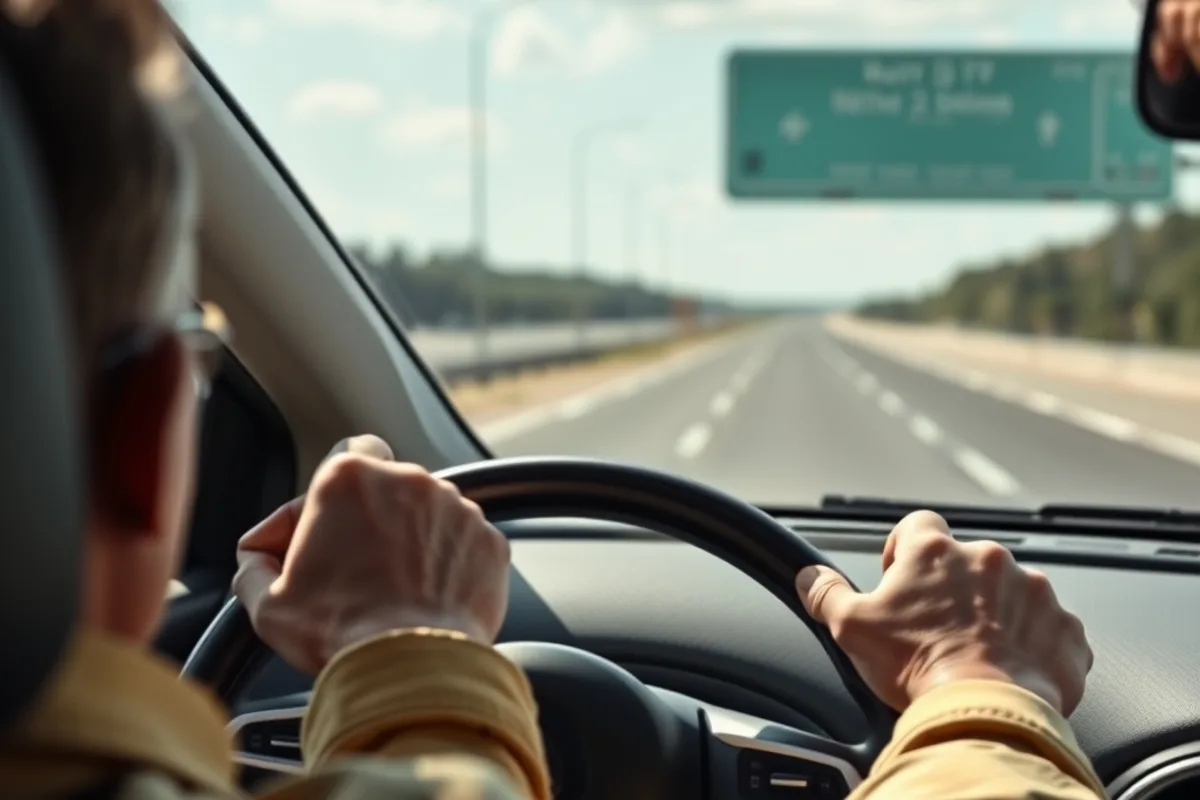
Defensive driving is often sold as a course you take to remove a ticket. In practice it is a set of habits that buy time and space: the two things that decide whether a hazard becomes a crash. None of the nine habits below require special skill. They require repetition until they become automatic.
1. Leave a real following gap
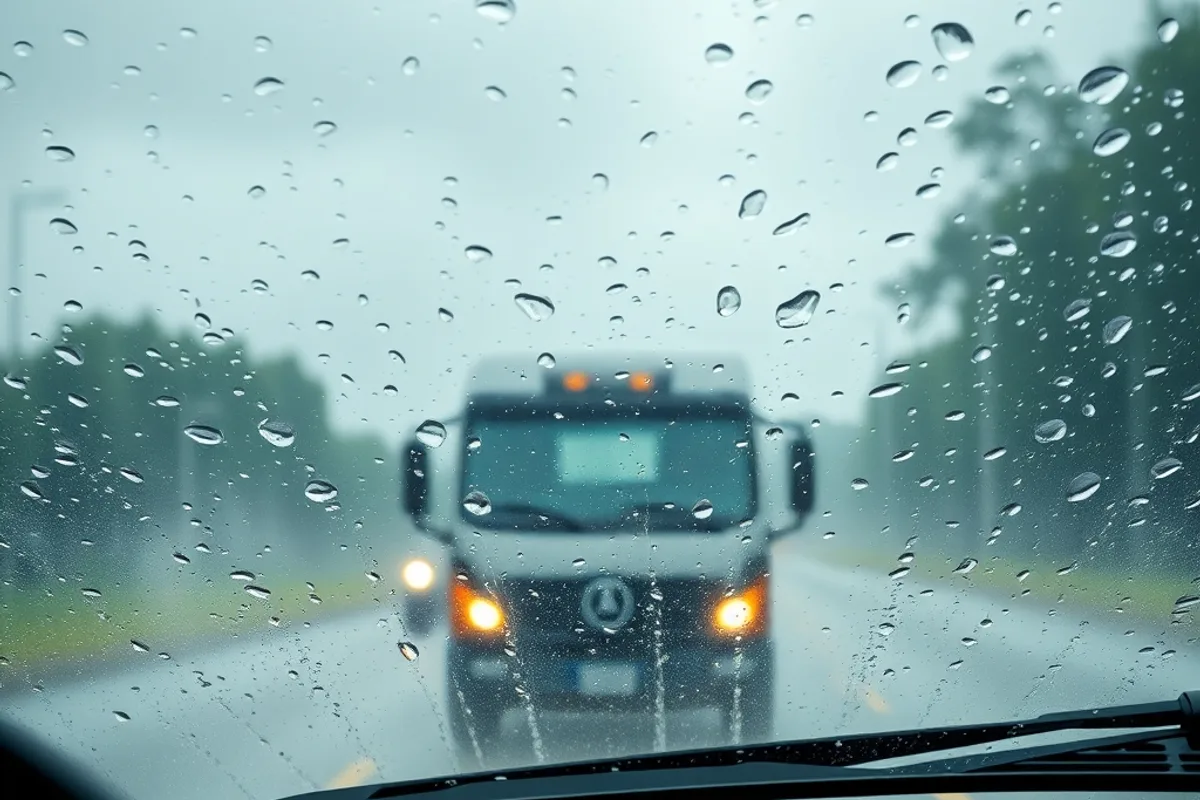
Pick a fixed object beside the road. When the car ahead passes it, count the seconds until you pass it. Three seconds is the minimum in dry conditions; six in rain; ten on ice. Most drivers follow at two seconds or less without realising it, which leaves no time to react if the car ahead brakes hard.
The gap also improves your view. Sitting back lets you see around the vehicle ahead and anticipate the traffic beyond it. If another driver cuts into your gap, ease off and rebuild it. Treat the gap as a buffer, not a challenge.
2. Scan far ahead and keep the mirrors moving
Look 12 to 15 seconds down the road, not at the bumper in front. At highway speed that is roughly a quarter mile. You will see brake lights ripple through traffic before they reach you. Check the mirrors every five to eight seconds, and glance at the instrument cluster occasionally rather than staring at it.
Use the one-second rule for mirror checks: a quick glance, back to the road, then the next mirror. Do not fixate. A driver who watches the rearview mirror too long rear-ends the car in front.
3. Have an escape route at all times
Identify where you would go if the car ahead stopped instantly. Is there a shoulder, a gap in the next lane, or a clear verge? This is especially important at intersections, where a driver behind you may not stop. Keep the wheels straight while waiting at a red light; if you are hit from behind, you will not be pushed into oncoming traffic.
When you stop behind another car, leave enough room to see its rear tyres touching the road. That gap lets you steer around if it stalls. It also gives you a buffer if a third car fails to stop.
4. Cover the brake before trouble
Covering the brake means lifting off the accelerator and hovering your foot over the pedal without pressing it. Do this when approaching an intersection with limited visibility, a busy car park or a cyclist near the edge of the road. It removes the reaction time between seeing a hazard and slowing.
Do not rest your foot on the brake. That wears the pads and lights the brake lights, confusing the driver behind. Cover means ready, not pressing.
5. Be predictable, not polite
Unexpected kindness causes crashes. Waving a car out of a side street when your lane is not clear, or stopping to let someone cross where they should not, can create a collision with the traffic behind you. Follow the rules of the road and let others predict your next move.
Use your indicators early, keep a steady speed and avoid sudden lane changes. Predictability is a courtesy to everyone around you, including the driver you will never meet.
6. Manage the space around you
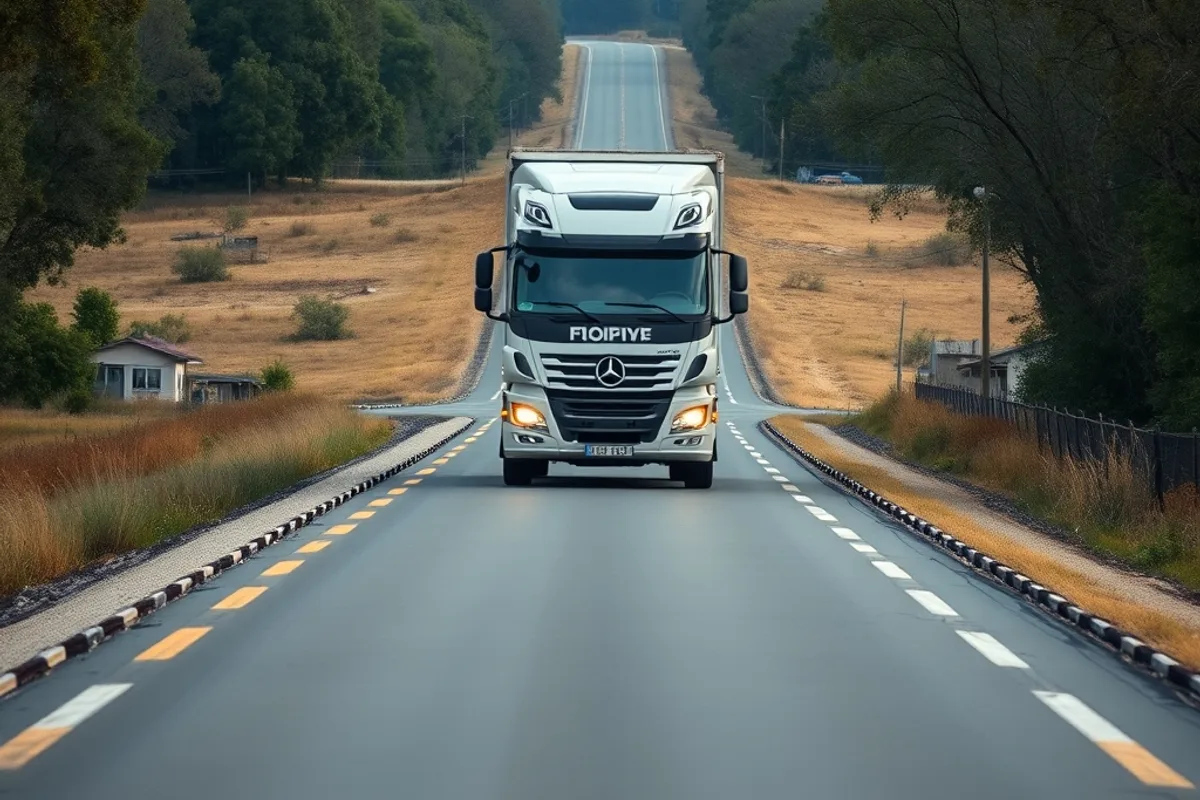
Do not ride in another driver's blind spot. If you can see their door mirror, they are more likely to see you, but the safest place is alongside them or well behind. When passing a truck, clear it quickly rather than hovering alongside. Trucks have large blind spots and long stopping distances.
In traffic, avoid boxing yourself between vehicles with no lateral escape. Stagger your position slightly within the lane to keep a view ahead. This is not about aggression; it is about options.
7. Handle intersections deliberately
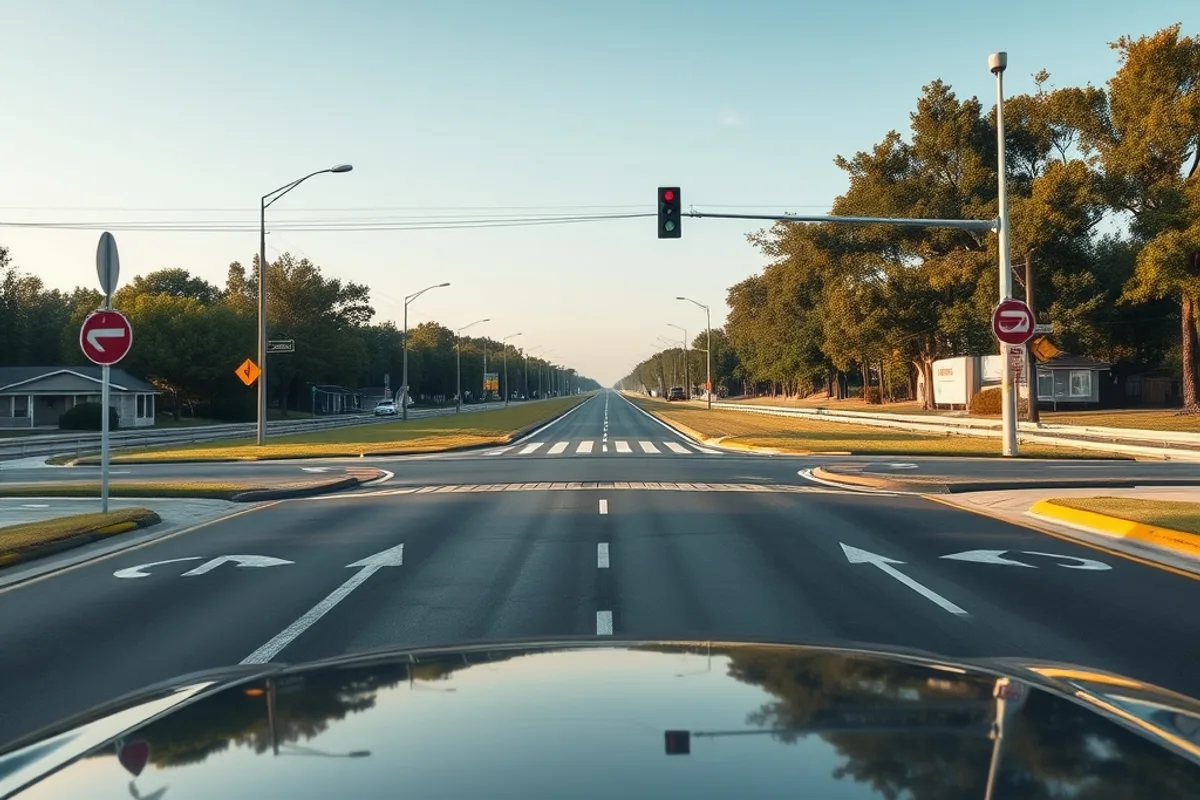
Intersections are where urban crashes concentrate. Approach with a plan: check the signal, scan left-right-left, confirm your gap and proceed only when you can see the way is clear. Do not follow a large vehicle through a stale light; if it blocks your view, wait.
When turning across traffic, keep the wheels straight until you begin the turn. If another car hits you from behind while you wait, you will not be pushed into oncoming lanes. Watch for pedestrians and cyclists who may be hidden by pillars.
8. Separate drinking, eating and driving
Distraction is not just a phone. A burrito, a navigation screen, a heated-seat argument and a dropped bottle all take attention away from the road. Set up navigation and music before moving. Put the phone out of reach if you cannot resist it. If you need to deal with something, pull over safely.
Passengers can help with navigation and messages. Ask them rather than reaching for a screen at 70 mph. The average text takes five seconds; at highway speed, that is the length of a football field travelled blind.
9. Manage fatigue before it manages you
Drowsy driving impairs reaction time and judgement in ways that feel like relaxation. Signs include yawning, heavy eyelids, drifting and missing exits. The only reliable fix is sleep, not cold air or loud music. Plan breaks every two hours, and share driving when possible.
If you are struggling to stay awake, stop somewhere safe. A 20-minute nap is far more effective than another coffee. Do not stop on a highway shoulder if you can avoid it; drive to a rest area or exit.
"Skill gets you out of trouble. Space stops you from getting into it."
The bottom line
Defensive driving is the habit of keeping options: a gap, a plan, a route out and enough sleep to use them. Practise one habit at a time until it becomes automatic, then add another. For poor-light conditions, see our night driving guide, and keep your car's safety systems working with the brake fluid guide.