Night Driving Safety: How to See More and Glare Less
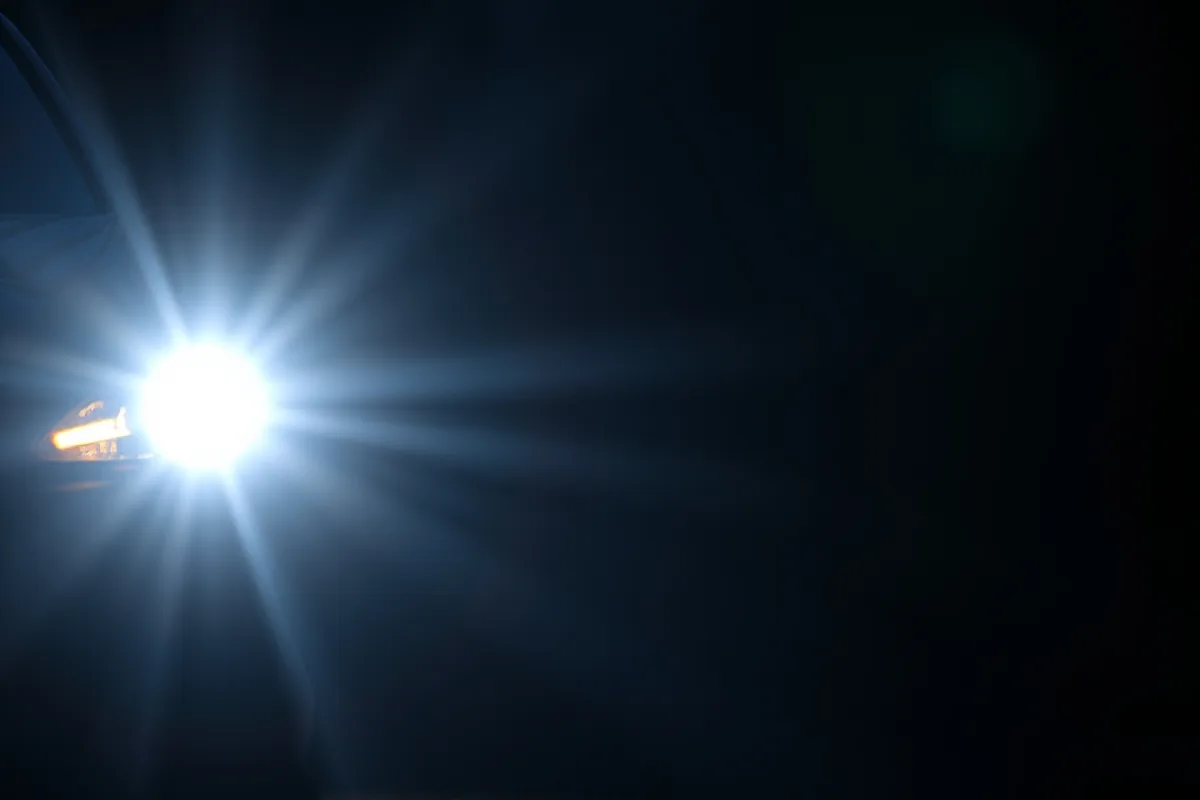
Night driving compresses every decision. You see less, hazard detection slows and glare from oncoming traffic can wipe out your view for a second or two. The speed limit does not drop when the sun does, but your stopping distance does not shrink either. Most night-driving advice is about making the most of the light you have.
Understand what poor light costs you
At night, colour and depth perception drop and your peripheral vision narrows. Headlights illuminate a limited cone; beyond the beam, the road simply disappears. At 60 mph you travel 88 feet per second, and your stopping distance on dry pavement is around 180 feet before reaction time. If the far edge of your low-beam pattern is shorter than that, you are overdriving your lights.
Use the illuminated distance, not the speedometer, as your guide. If you cannot stop within the visible road, slow down. On an unlit rural road, that may mean 45 mph even though the limit is 55.
Set the headlights correctly
Correct aim makes a bigger difference than expensive bulbs. Park on level ground 25 feet from a wall and measure the beam height; it should sit slightly below the headlight height, with a sharp cutoff that does not blind oncoming drivers. A shop can aim them in minutes, or you can follow the manual's procedure with a tape measure.
Replace cloudy headlight lenses. Oxidation scatters light and cuts output; a polishing kit costs $20 and restores most of it. If you upgrade bulbs, choose a reputable brand with the correct beam pattern. Cheap LED drop-ins can produce glare and fail inspection despite looking bright.
Clean glass is a safety device
Glare is worst when light scatters through dirt, film or scratches. Clean the inside of the windshield with a glass cleaner and a microfiber cloth; interior film from dashboard plastics is a major cause of night glare. Clean the wiper blades and replace them if they streak. Top up washer fluid with a winter-rated mix.
Inspect the windshield for pitting and cracks. A worn windshield can turn every oncoming headlight into a starburst. If you drive at night regularly, replacing a pitted windshield is a safety upgrade, not a cosmetic one.
Manage oncoming glare
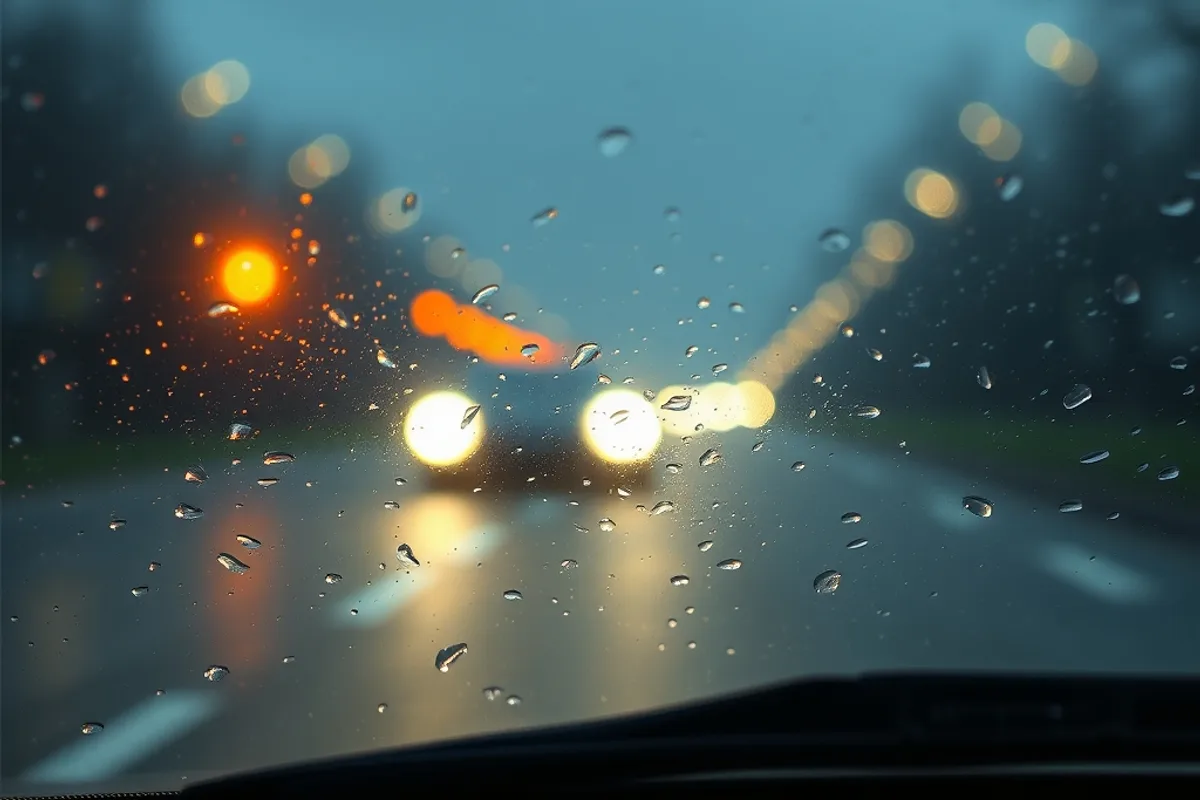
Look toward the right edge of your lane, not into the lights. This keeps your peripheral vision on the road while reducing direct glare. Slow down until your eyes recover. Do not retaliate with high beams; two blinded drivers are worse than one.
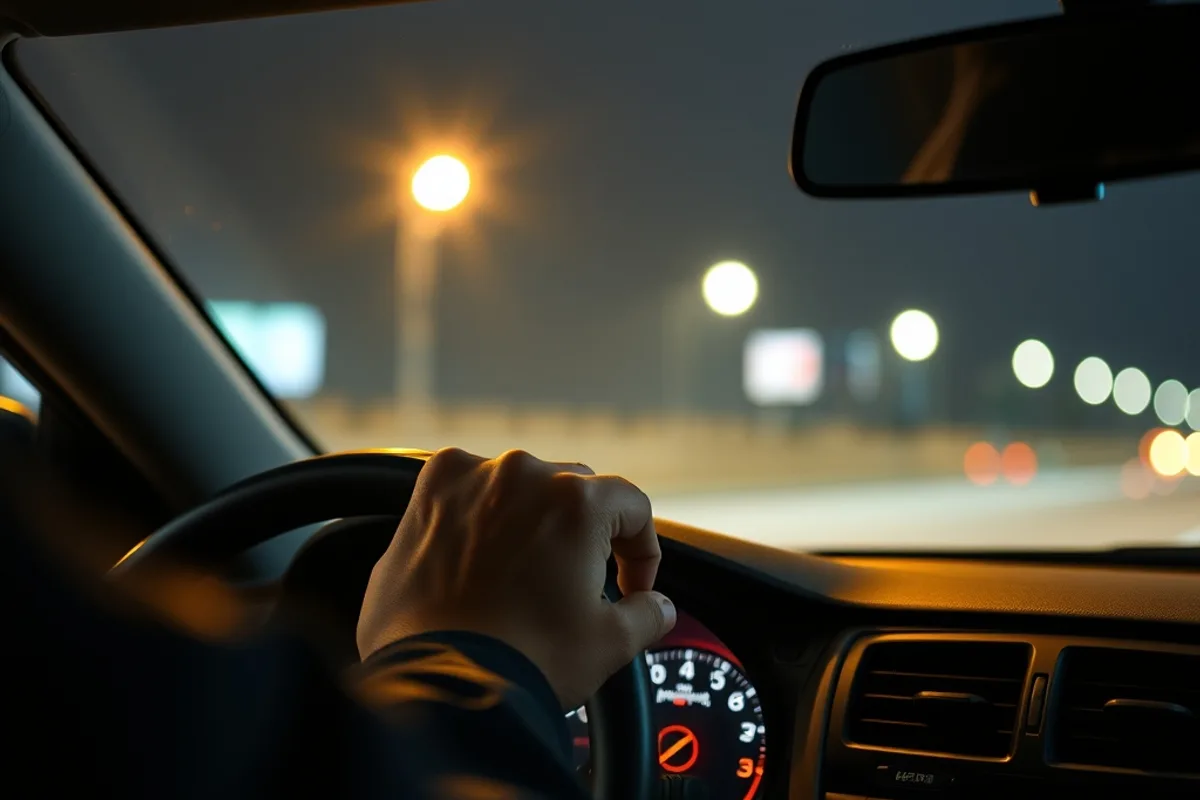
If you wear glasses, choose an anti-reflective coating. Keep the interior dim: a bright dashboard or phone screen raises your adaptation level and makes the road look darker. Dim the instrument panel to the lowest comfortable setting and turn off unnecessary interior lights.
Use high beams when they help, low beams when they do not
High beams dramatically improve distance on unlit roads, but they must go off when traffic is ahead or oncoming. Switch to low beams when you are within about 500 feet of an oncoming vehicle or following another car closely. In fog, heavy rain or snow, high beams reflect back at you; use low beams and fog lights if fitted.
Do not run fog lights in clear weather. They add glare for others and do little for your own view. Use them only when visibility is genuinely reduced.
Watch for the hazards that hide at night
Pedestrians in dark clothing, cyclists without lights, deer at the roadside and unlit parked cars all appear late. Scan the edges of the road and the space between your headlights and the cutoff. If you see a reflection from an animal's eyes, slow immediately; deer often move unpredictably.
On rural roads, use the centre line and edge markings to guide your steering when a car approaches. Do not stare at the oncoming vehicle. If the road is unfamiliar, reduce speed further; a curve that looks gentle in daylight can tighten in the dark.
Fatigue and alcohol are night risks
Night driving overlaps with the hours when the body wants sleep. If you yawn repeatedly, drift within the lane or cannot remember the last few miles, stop. A short nap in a safe, well-lit place is the only effective reset. Caffeine helps briefly but does not replace sleep.
Even one drink affects night vision and reaction time more than it affects daytime confidence. Arrange a ride or stay put. The risk is not worth the inconvenience of a taxi.
Car maintenance for after dark
Check all exterior lights monthly: headlights, tail lights, brake lights, turn signals and plate lights. A failed brake light is both a safety hazard and a reason to be stopped. Keep the battery healthy; cold nights are when weak batteries fail. Clean the reversing camera lens and check that the screen dims properly at night.
Tyre condition matters more after dark because you have less time to react. Ensure correct pressures and tread depth. For the driving habits that pair with good lighting, read our defensive driving guide.
"At night you do not drive to the speed limit. You drive to the edge of your headlights."
The bottom line
Aim the headlights, clean the glass, dim the dashboard and slow down to the distance you can actually see. Look to the right edge when a car approaches, use high beams only when they help and stop before fatigue takes over. Night driving is not inherently dangerous; driving beyond your visibility is. For maintenance that keeps the car ready, see our belt replacement guide.