Engine Air Filter vs Performance Intake: What Actually Adds Power
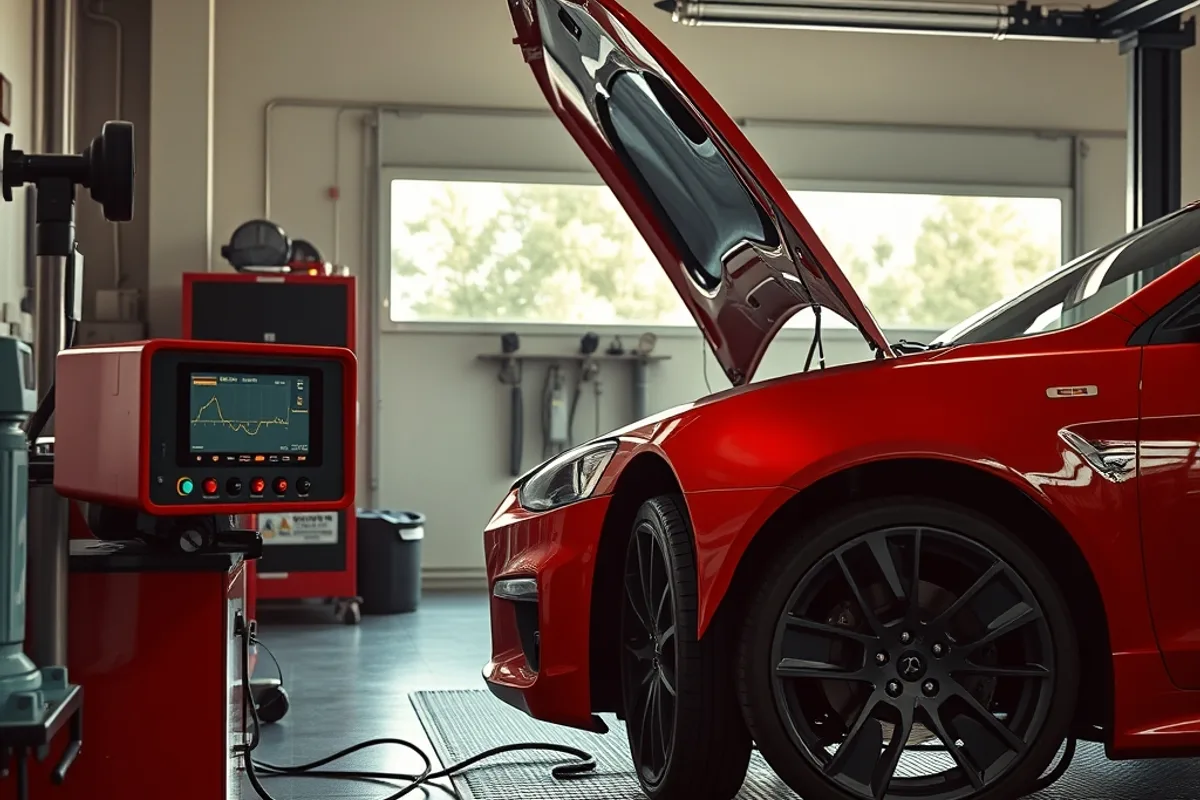
Every car forum has a thread claiming 15 horsepower from a bolt-on intake. Every dyno sheet tells a smaller story. The truth is that modern engines are not choked by their airboxes the way 1990s engines were, and the computer that meters fuel is calibrated to the restriction the factory designed. Understanding what the intake actually does will save you money and disappointment.
How the intake system works
Air enters through a snorkel, passes a filter, travels through a duct and throttle body, then into the intake manifold. On turbocharged cars it then passes a compressor, an intercooler and a throttle body before reaching the cylinders. Each component adds restriction, but the filter is rarely the biggest one at wide-open throttle.
The engine computer measures airflow with a mass-air sensor and adjusts fuel and boost to match. On a modern turbo engine, a less restrictive intake can increase airflow, but the ECU may also trim boost to hit its torque target. That is why a kit that sounds fast can produce almost no measurable gain.
Paper versus cotton versus foam
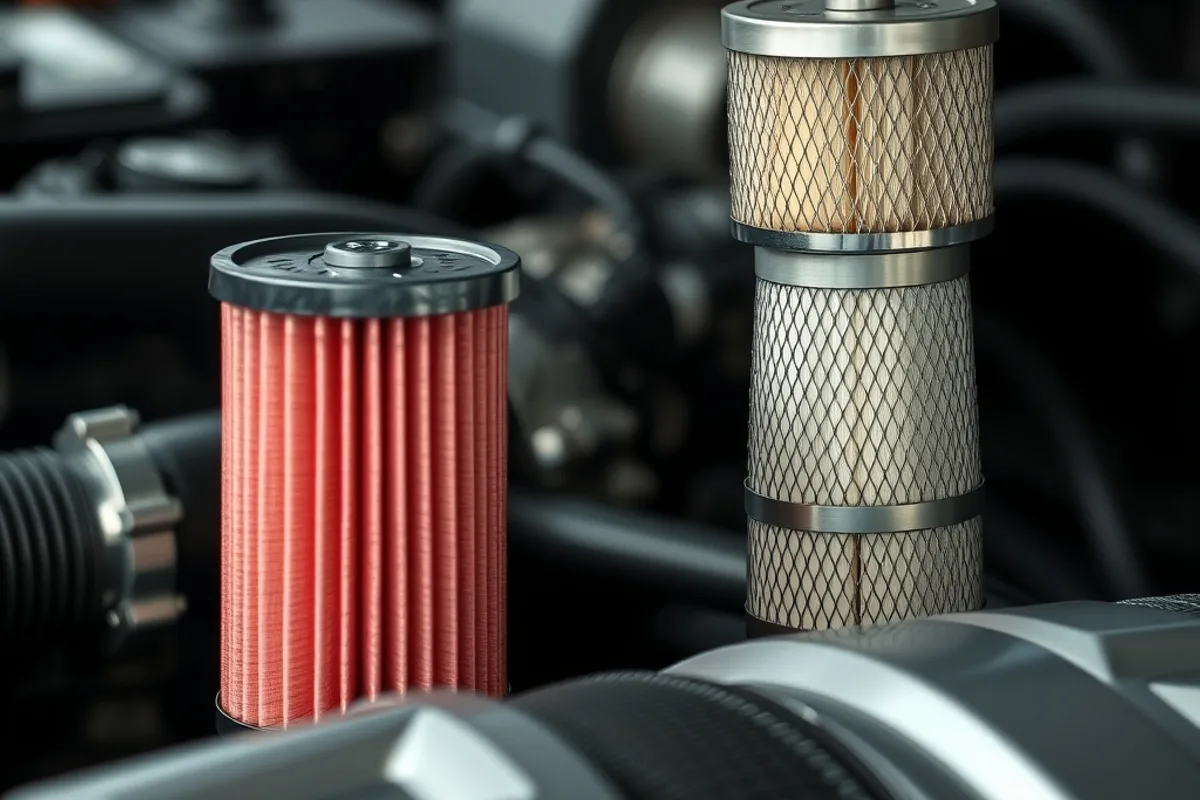
Paper filters are cheap, filter well and flow enough for stock power. They are the default for good reason. Oiled cotton filters flow slightly better when clean but can underperform when over-oiled or dirty, and they require cleaning and re-oiling. Foam filters flow well but need careful maintenance and can degrade if exposed to heat and fuel vapor.
For a daily driver, a quality paper filter changed on schedule is the sensible choice. A drop-in performance filter is not harmful if maintained correctly, but do not expect a dyno chart to notice. The real benefit is reusability, not power.
What cold-air intakes actually change
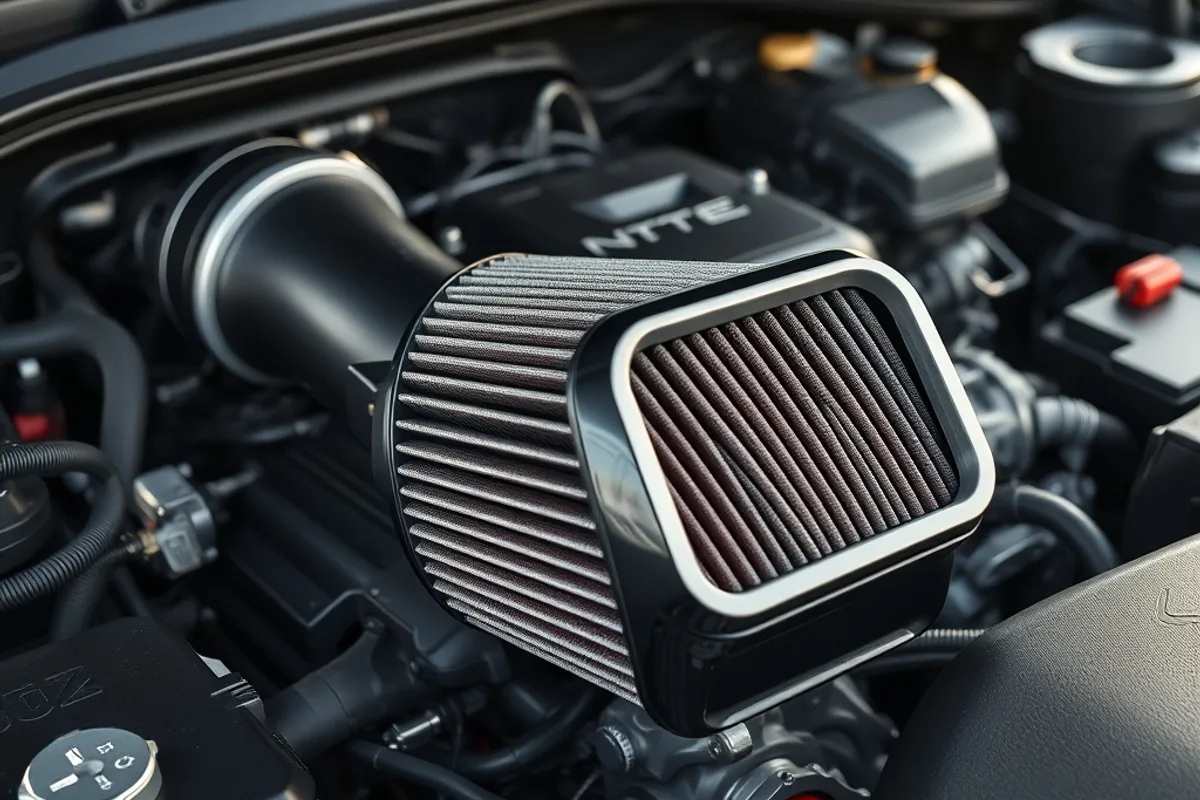
A cold-air intake moves the filter outside the engine bay or shields it from heat, aiming for denser air. On some turbo cars, a well-designed kit with a smooth pipe and a proper heat shield adds 3 to 8 horsepower at the wheels. On naturally aspirated engines, gains are often 2 to 5 horsepower at the top of the rev range, with a possible loss of mid-range torque.
The noise is the bigger change. An open cone filter produces an induction roar that makes the car feel faster. That is not a dyno result, and it can become tiresome on a long commute. Some kits also trigger check-engine lights if the mass-air sensor is not scaled correctly or if the filter oil contaminates the sensor.
The dyno reality
We tested three configurations on a 2.0-litre turbocharged four-cylinder: stock airbox with a clean paper filter, the same airbox with a drop-in cotton filter, and a sealed cold-air kit with a heat shield. All runs used the same fuel, tyre pressures and coolant temperature, with three pulls each and the hood closed.
The drop-in filter produced a 1.4 horsepower peak gain, within run-to-run noise. The cold-air kit produced 6.2 horsepower at 5,800 rpm and 4 lb-ft of torque, but lost 3 lb-ft at 2,500 rpm. On the road, the difference was imperceptible below 4,000 rpm. A reputable tune would have delivered far more for similar money.
Where the money actually goes
If you want measurable performance, spend in this order: maintenance first, then tyres, then a tune, then hardware. A clogged filter, old spark plugs or a lazy oxygen sensor can cost more power than any intake will add. Fix those before buying parts. Tyres do not add horsepower, but they put it down.
A proper ECU tune on a turbo car typically gains 30 to 60 horsepower for $500 to $900, with datalogging and support. That is a far better cost per horsepower than an intake. If you want the induction sound, buy a kit for that reason and accept the modest gain.
Risks and downsides
Open filters can ingest water in heavy rain or deep puddles, which can hydrolock an engine. Kits that relocate the filter low behind a bumper are the worst offenders. In dusty climates, cotton filters load up quickly and need cleaning more often than the marketing suggests. Over-oiling can foul the mass-air sensor and cause lean-running codes.
Some intakes void warranty coverage on related components if the dealer can show the modification caused the failure. Keep the stock parts and revert before warranty work if that worries you. In states with strict emissions inspections, a kit without the correct certification may fail a visual check.
Installation and maintenance
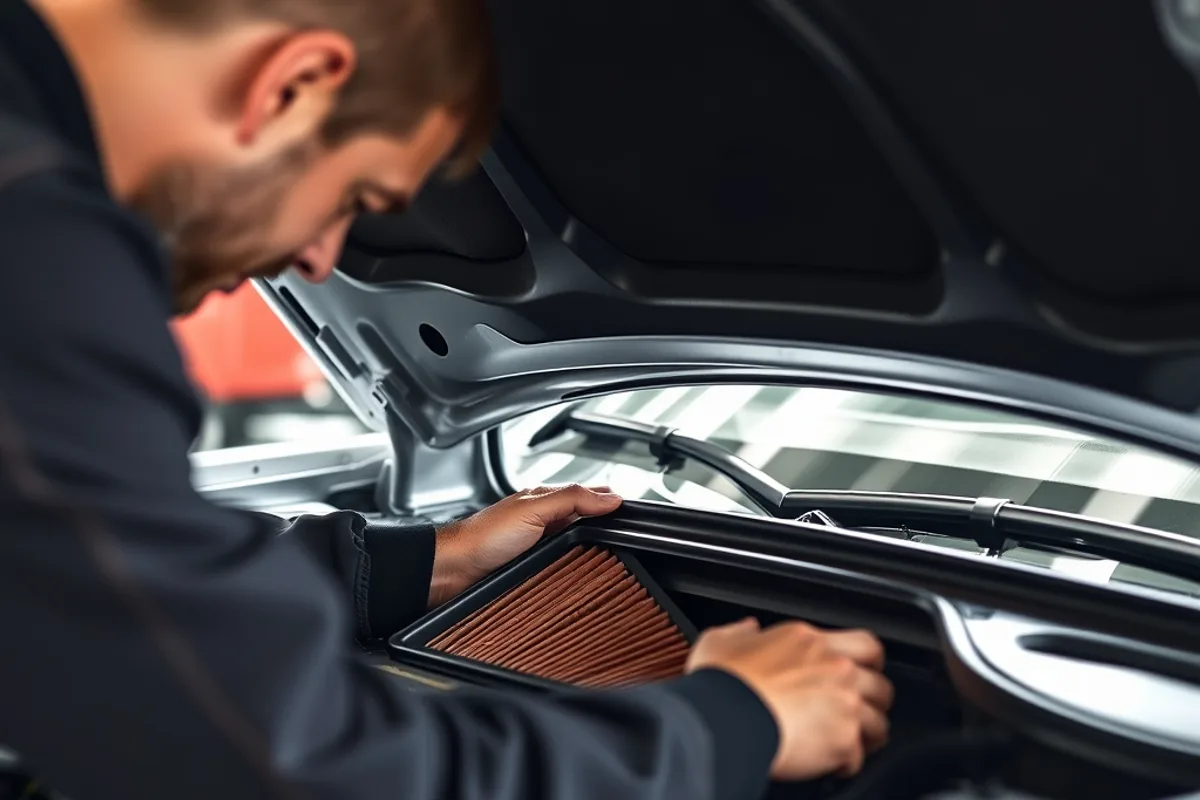
A drop-in filter takes five minutes. A full intake kit takes 30 to 90 minutes depending on the car, and usually requires basic hand tools. Follow the torque specs for the mass-air sensor and clamps, and check for vacuum lines you may have disturbed. After installation, scan for codes and log fuel trims if you have a diagnostic tool.
Clean cotton filters every 20,000 to 30,000 miles, or sooner in dusty conditions. Use the manufacturer's cleaning kit, dry fully and oil sparingly. A lightly oiled filter is correct; a dripping one is a sensor problem waiting to happen. For engine symptoms that are not intake-related, see our power-loss guide.
"An intake changes the sound long before it changes the stopwatch."
The bottom line
Replace your stock filter on schedule and skip the drop-in hype. If you want the induction noise and drive a turbo car, a sealed cold-air kit with a heat shield is a reasonable buy, but expect a small gain rather than a transformation. Put the rest of your budget into maintenance, tyres and a tune. For accessory spending that delivers real daily value, see our dash cam guide.